Professional Pet Care: Building Relationships That Last
So often when I arrive at a client’s home or meet them at the park, I’m told their dog or cat “doesn’t like new people” or “takes ages to warm up.” Cut to 30 or 60 minutes later (and sometimes even just moments), and their pet is happily seeking out attention and affection. Meanwhile, the owner and I are chatting over a cup of tea about their pet’s personality quirks. These moments remind me that this business isn’t just about animal care—it’s about building meaningful, lasting relationships with both pets and their people.
Building Trust One Tail Wag at a Time
When clients hand over their keys and beloved pets, they’re placing extraordinary trust in us. We’re not just entering their homes; we’re being welcomed into their families.
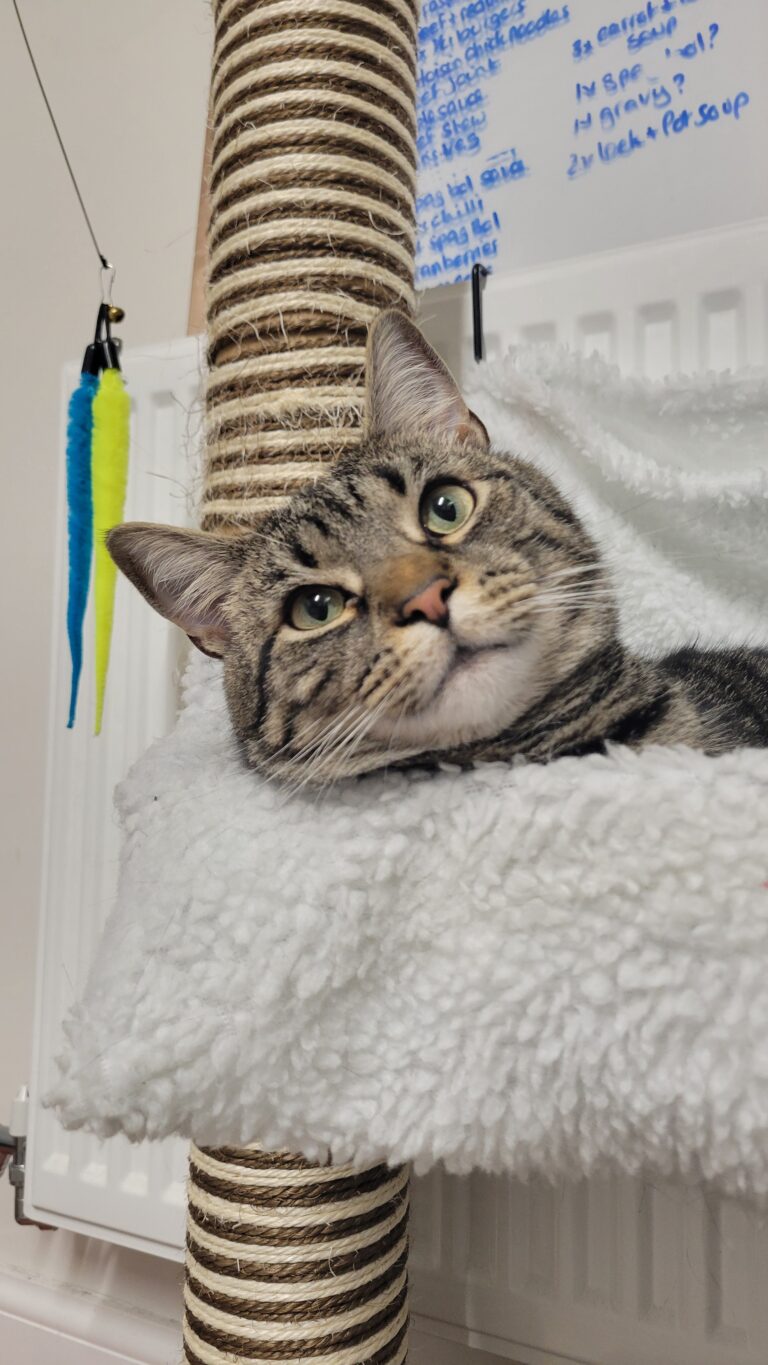
Small, thoughtful touches make all the difference—a quick photo of their cat lounging in a sunbeam, a note about how their dog made a new friend at the park, or remembering that their rabbit only eats the green bits of his salad mix. These gestures show clients that we see their pets as individuals, not just names in the diary.
Many clients have told me they wouldn’t trust anyone else because they know I treat their pets like family. That kind of trust isn’t built overnight, but it’s worth every moment invested. It comes from consistency, authenticity, and a genuine love for what we do.
One client told me, after trying several dog walkers, that the difference with me was, “They walked my dog. You got to know my dog.” That distinction lies at the heart of this work.

Pogo & Pixie
Thank you for looking after Pixie and Pogo! We’re so happy to have found a trustworthy pet sitter to look after our fur babies.
Baker, J.

Cookie
Thank you so much, you kept us well informed and cookie had a great time!
Slade, J.

Maisie
Maisie loves her walks with Ellie and Steve. She bounces with excitement when they arrive and enjoys the games and the walks.
Cox, C.

Merlin, Rosie & Charlie
Ellie was amazing , we came back to happy healthy and better trained dogs. We received daily updates which allowed us to holiday knowing the pets were in good care . Our house was also well looked after – 100% Ellie will be the first person we call next time we go away.
White, E.

Florence & Olive
Ellie was absolutely brilliant with my two little furballs, she fussed and played with them and sent me lots of lovely videos and pictures while I was aware, this meant I could relax knowing they were in good hands. I wouldn’t hesitate to book Ellie again, in fact I already have!
L, G.

Alfie
Our dog loves Ellie. She been great with watching him
Michelle C.

Henry
Henry loves Ellie and she does a brilliant job of looking after him; I’m 100% confident when I leave him with her that he will have a lovely time!
Aston, C

Paco, Beef and Maggie
Really reliable, the dogs loved her and she brought loads of extra bits to entertain them
Treble, N.

Eddie
Ellie has called in to see our spaniel Eddie when we have needed to be out for a long period . She fed and played with Eddie as well as taking him out for a toilet break and he was totally happy and relaxed during her visits. She kept us really well informed during each visit via WhatsApp updates. I would totally recommend Ellie and we will be using her again .
Karen, B

Laila
Very kind that Ellie brought toys and gifts at the meet and sent videos and photos to keep me updated.
Alexandra F.

Roxy
Ellie was amazing. Roxy clearly adored her and she was expertly cared for. She even left the house immaculate.
Amanda F.

Tessa
I really appreciate Ellie’s professionalism, passion for animals and care. An excellent service, I’d love to use her again!
Zita

Gizzy and Dave
Ellie stayed in our house for 10 days to look after our 2 lively border terriers. She was trustworthy and reliable. She sent us regular up dates of what she was doing with the dogs and how they were. She not only walked them, but played with and trained them. She bought them toys and made them special licky mats. I think the dogs are missing her now! Thanks so much Ellie for the care you showed to our pups! ❤️
Naomi C.

Blu, Shadow, Mimi and Nunu
I would recommend Ellie’s services without hesitation. She goes above and beyond to make sure the animals are loved and cared for – even better than I do myself. She is a devoted animal lover whose love for those in her care shines through.
Lynn P.

Sugar and Spice
Both my cats loved Ellie and they were very happy after she left us that showed me they trusted her with all their needs, feeding playing n sleeping. Sad to see her leave.
Scott, J.

Kyla
Ellie was amazing, she kept us posted while looking after our precious Kyla. She gave her cuddles when needed and just loved her like her own. Thank you Ellie for allowing us to go away with peace of mind that you would love and look after our precious dog. We would highly recommend Ellie.
Bridget A.
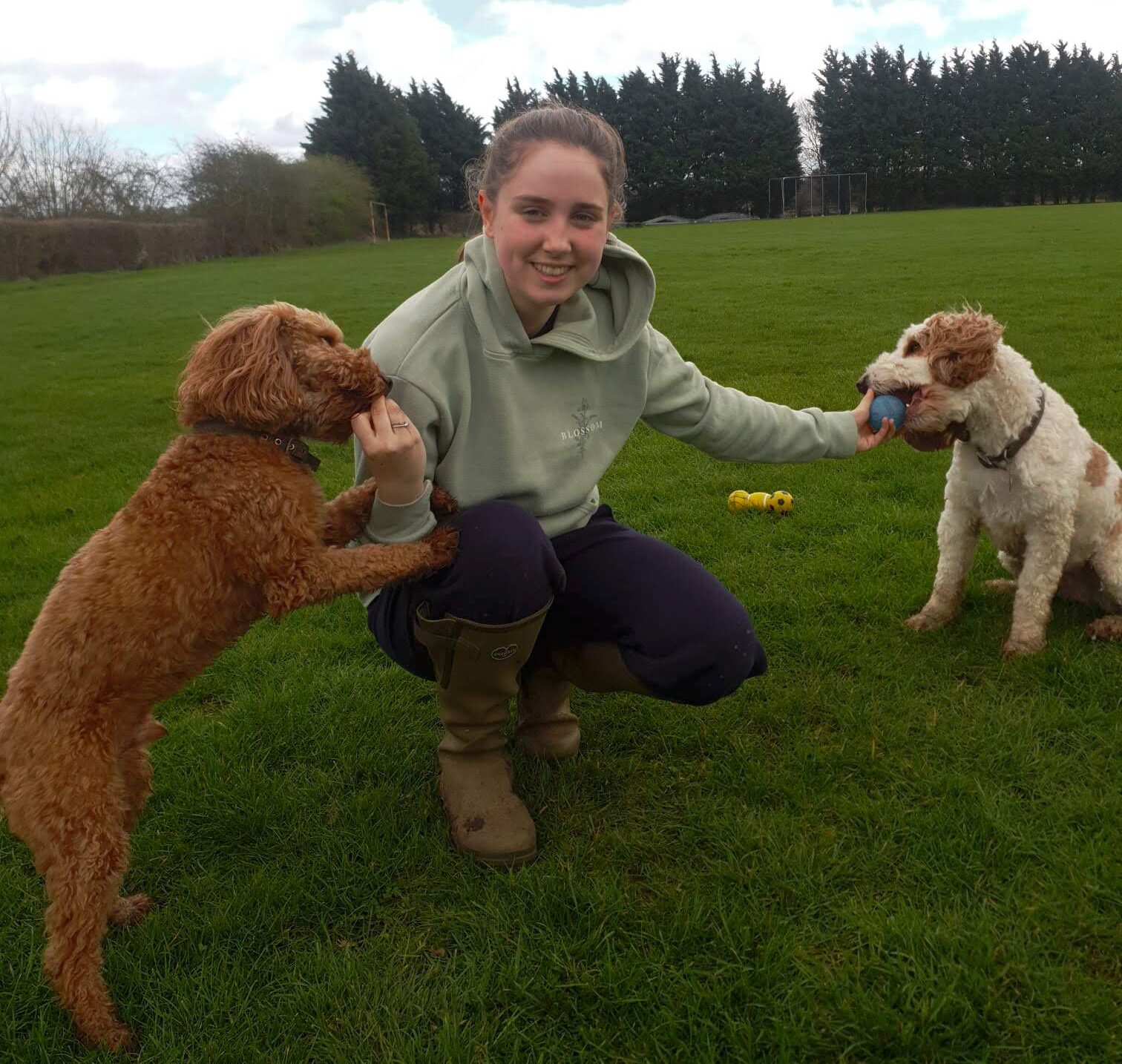
Roger and Goose
We highly recommend Ellie! The dogs clearly loved having Ellie look after them and we came home to two very happy and relaxed dogs 🙂
Ellie was clean, tidy, and considerate with our home too – we have already booked our next trip!
Harriet M.

Poppy and Alfie
Ellie was very professional and brilliant with my dogs. Both are rescues and one can get very anxious. She had lots of treats and games for them. We will definitely use Ellie again.
Karin M.

Rosie
Ellie was the perfect calming companion to my young crazy Full English Springer Spaniel puppy, when we went away for 9 days.. She looked after her as if she was her own, with much love and fun activities and plenty of exciting walks and training. I was aware of everything going on (and appreciated her calm manner when we had a power cut) We came home to a very happy and well-cared for puppy!
Tracey W.

Bertie
Ellie was brilliant with Bertie, such a kind calming influence. He settled down with her very quickly and was more than happy. Lots of amusing updates from Ellie all evening and we wouldn’t hesitate to recommend her services.
Adrian S,

Betsy
Ellie is lovely and my dog Betsy was v happy and well looked after. Ellie sent lots of lovely photos, which was really nice. I would definatley book Ellie again.
Janet A,

Willow & Nala
Ellie was absolutely wonderful with our two dogs, she looked after them while we were away for the day. She provided them with so much entertainment and love! She gave us loads of updates too. Ellie was also great at sorting logistics beforehand and very conscientious in ensuring everything was perfect for the dogs. Willow and Nala say thank you!!!
Sophie M.
Safety with a Personal Touch
Behind the friendly updates and cuddles is a foundation of solid safety practices. My background in animal behaviour and first aid ensures I’m prepared for anything, even if I’m not expecting it.
I like to keep it relatable when talking to clients: “I swear I’ve used this Leucillin on myself more than on any pet!” It shows that safety isn’t some rigid rulebook—it’s a practical part of everyday care.
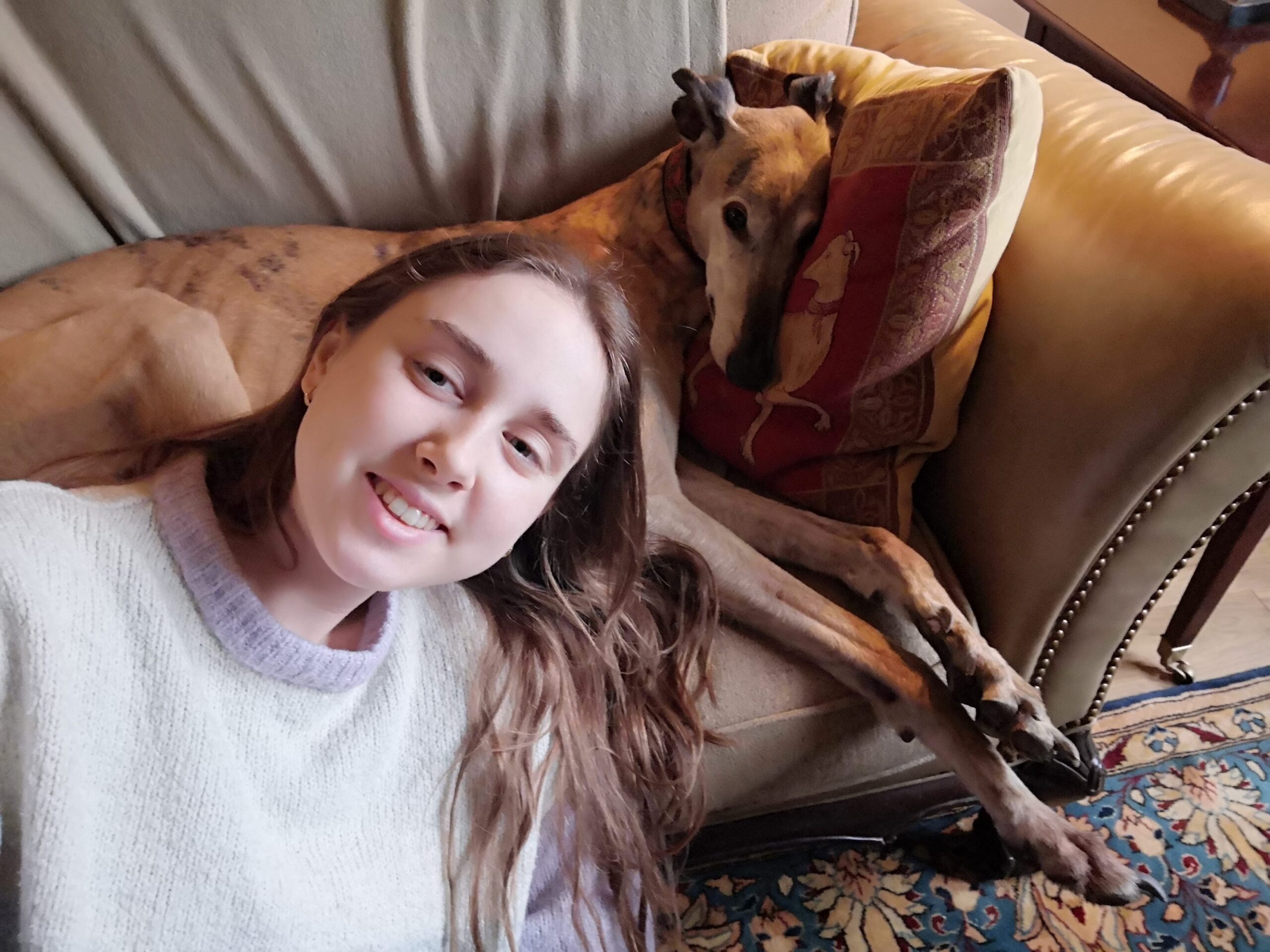
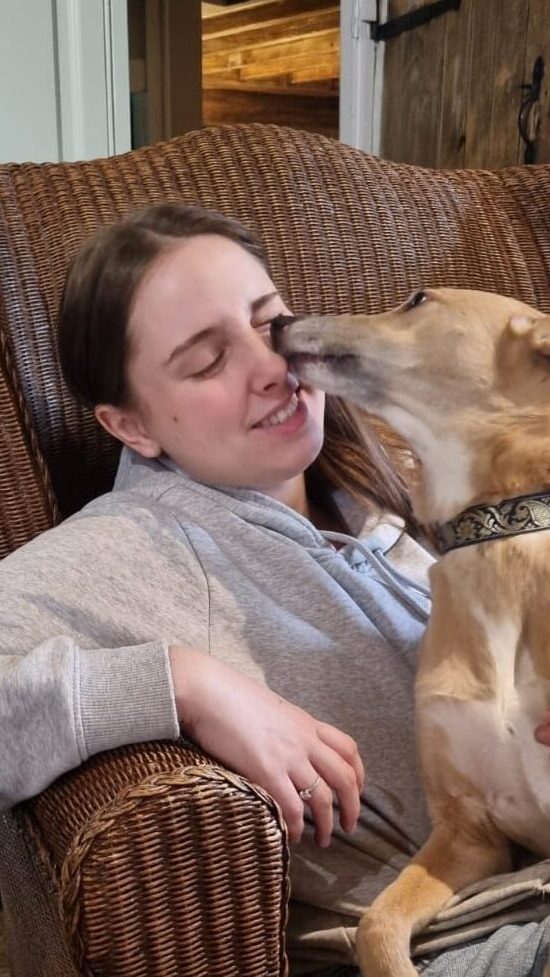
Once, a senior greyhound tore his skin in the garden during a late-night toileting session. I cleaned and bandaged him, called his owner, and even slept downstairs with him so he wouldn’t be alone. Another time, a lurcher stepped on a wasp mid-walk. I scooped her up, carried her home, removed the sting, iced her paw, and called the vet—all while her owners were asleep overseas.
My BSc in animal behaviour and training has helped me catch subtle stress signals early. Preventative care, like scouting walking routes for potential hazards or noticing behaviour changes, is just as important as knowing how to respond in an emergency.
Understanding Each Pet’s Unique Personality
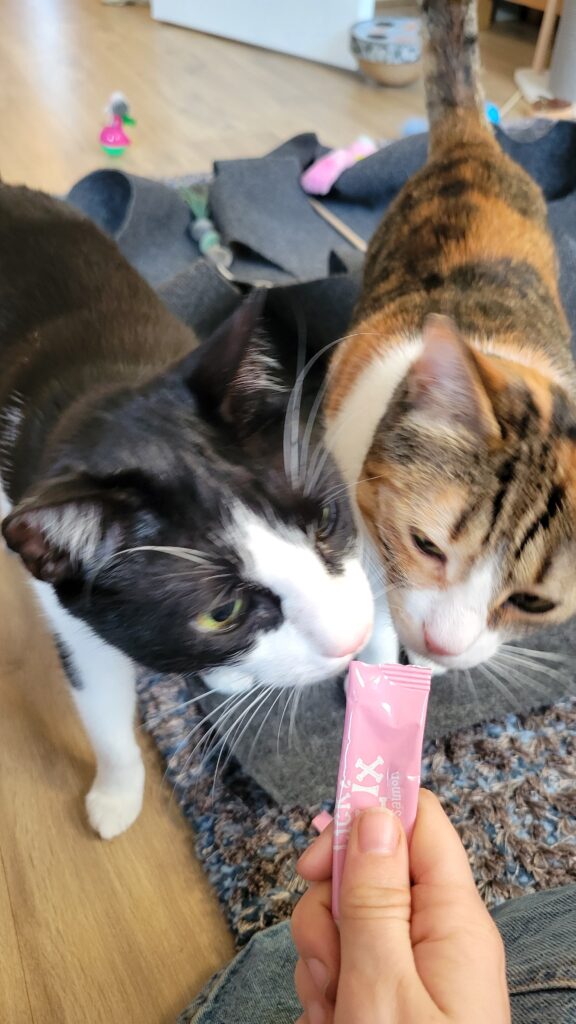
Every animal has their own quirks and preferences. Rilla saves her food until just before a walk. Sugar likes liquid treats, Spice prefers squishy ones. Finny grunts when you scratch him. Goose and Roger can only play with one ball at a time.
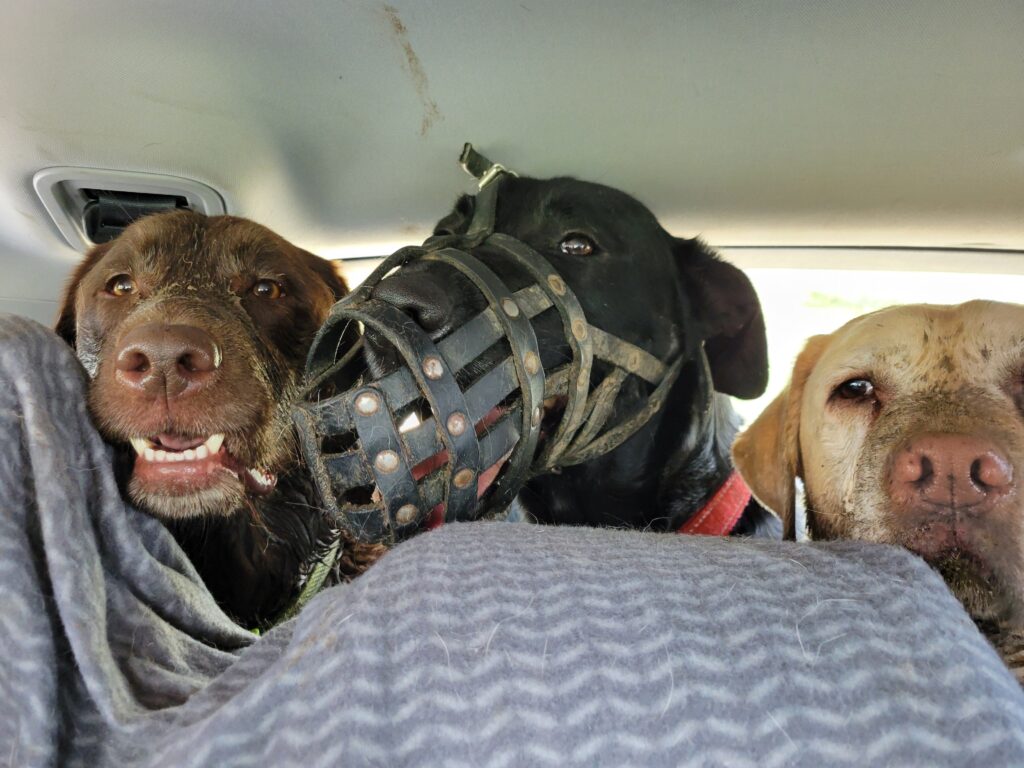
These details matter. Noticing that Charlie walks better on a long lead, or that Miso growls only when the door handle moves, tells clients you’re paying attention and that their pet is truly seen.
Animals have good and bad days, just like us. Chloe the Labrador is normally a bashful tomboy, but when she’s under the weather, she prefers quiet sniffing over play. Being attuned to those shifts shows that we’re providing more than basic care—we’re offering companionship and understanding.
One dog was labelled “reactive” and “unpredictable” by others. But with time, I noticed she was actually very predictable once you understood her fears. If another dog stared her down, she became anxious and felt the need to react. Giving her space and acknowledging her feelings made all the difference. Her owner said, “It’s like we can finally speak the same language.”
The Art of Clear Communication
Effective communication builds trust. Clients want to know their pets are safe, happy, and getting the care they deserve. Regular updates do more than reassure—they tell the story of the pet’s day.
A photo of a dog mid-zoomie or a cat stretched out post-playtime says more than a checklist ever could. Most clients appreciate these joyful moments, and they help them feel connected even when they’re away.
It’s also about listening. If a client mentions a behavioural change, I make sure to follow up. “You said Finn was more aroused than usual. I’ve noticed it’s worse since he skipped his usual park run. Have you noticed that too?” This kind of thoughtful communication deepens the partnership and helps address issues early.
Solving Problems Through Knowledge
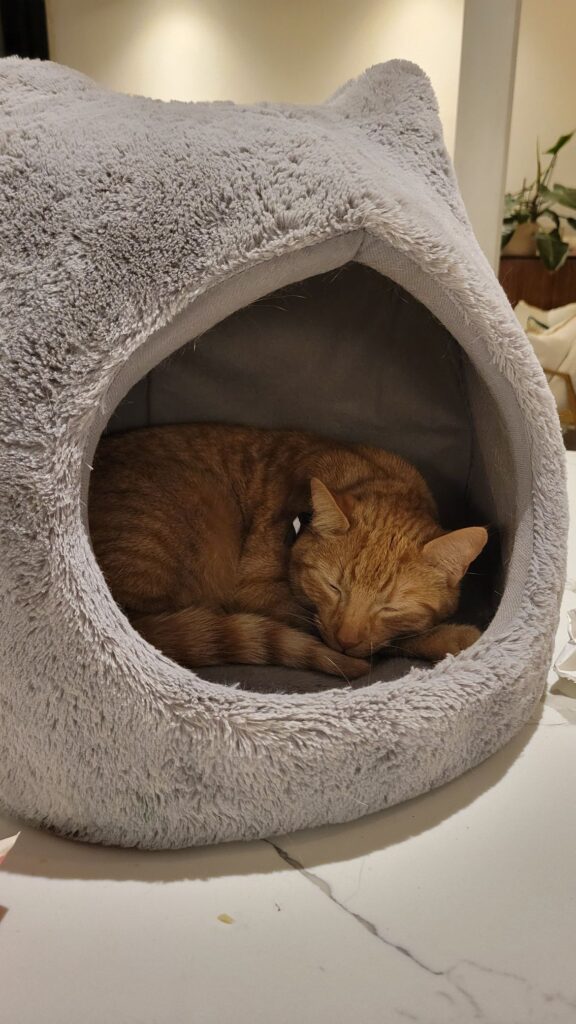
During a meet-and-greet, a client mentioned her cat Olive had been unusually lethargic, though the vet found nothing wrong. After chatting, I learned Olive had recently been attacked by another cat. I explained how cortisol spikes can take 24-48 hours to subside—and how the second near-fight likely reset her stress levels.
The owner was amazed: “It’s so great to have you around. I can’t wait to book in!”
This is where behavioural knowledge becomes invaluable. It’s not about replacing vet care, but complementing it with insight. These moments not only help the animals—they also build your reputation as someone who goes above and beyond.
Creating Joyful Experiences
What truly sets apart exceptional pet care is joy. It might be a new walking route for a curious pup, a scent game for a clever spaniel, or a sunny garden spot for an elderly retriever.
Joy for owners comes from knowing their pets aren’t just safe, but thriving. Updates that capture personality—”Max left no stone unsniffed today!”—bring comfort and connection.
Building a Community of Trust
Over time, consistent, high-quality care creates more than just satisfied clients—it builds a sense of community. Some of my clients even know each other through direct recommendations.
I’ve also found that building genuine connections with local shopkeepers and small business owners has made a real difference. A number of them now stock my business cards and happily refer me when customers mention needing pet care. These relationships feel organic and built on mutual trust, and they help connect me with people who truly value the kind of personalised service I offer.
Committing to Growth
Animal care is always evolving. I stay up-to-date with webinars, workshops, and new research to offer the best care possible. Learning new enrichment ideas or behaviour techniques helps both pets and their people.
When I share these insights in ways that are practical and personal, clients see that I’m not just doing a job—I’m constantly improving for the animals we love.

Conclusion : The Heart of Pet Care
At its heart, pet care is about trust, compassion, and connection. The feeding, walking, and playtimes matter—but it’s the relationships that make this work meaningful.
When a shy rescue dog runs up to greet you, or a client calls you their “pet care angel,” you know you’ve made a real difference.
This is more than a business. It’s a vocation that asks for heart, skill, and dedication. And when we commit to building lasting relationships grounded in safety, knowledge, and joy, we don’t just enrich the lives of animals—we enrich the lives of everyone who loves them.