Beyond the Walk: Jett’s Journey with Dog Reactivity and a Holistic Approach to Training
There’s something rather lovely about being able to take your dog for a quiet, uneventful walk. A bit of sniffing, exploring the neighbourhood, watching the world go by and simply enjoying some time together.
For many dogs, that’s an ordinary part of their day. For Jett, it’s something we’ve been working towards for quite some time.
Recently, Jett and I have been enjoying street walks of around 20 minutes, deliberately choosing quieter times of day, taking our time to investigate all the interesting smells and gradually becoming familiar with our local routes. It might not sound particularly remarkable, but knowing Jett’s history and how much work has gone into reaching this point, these little adventures are something I’m incredibly proud of.
And perhaps the most interesting part is that much of the work supporting this progress hasn’t involved walking at all.
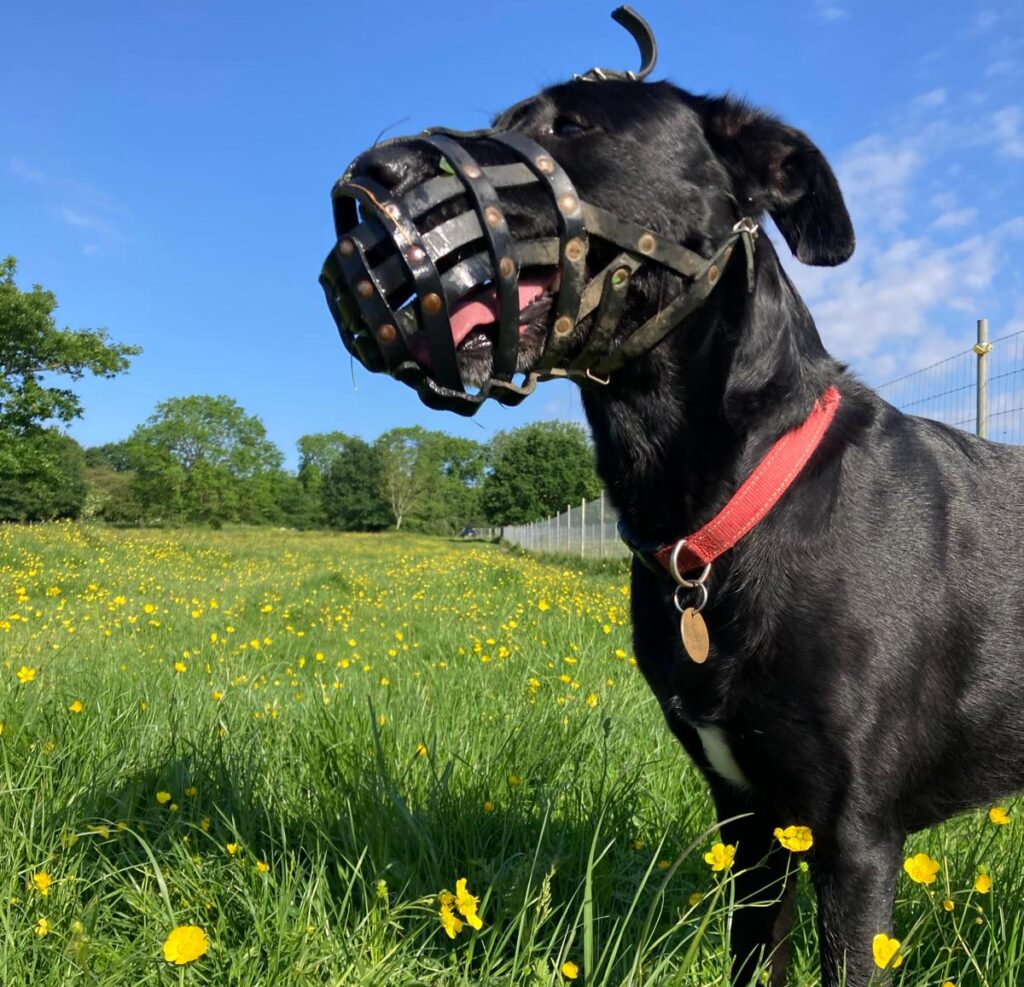
A little about Jett and how we got here
Jett is our Labrador, German Shepherd and Dalmatian mutt (thank you, doggy DNA tests!), who grew up in South Africa during the pandemic.
He moved to the UK at around two and a half years old, and it was following his flight and quarantine period that his reactivity towards unfamiliar dogs began to emerge. Prior to this, he hadn’t displayed the same reactive behaviours, although it’s difficult to identify precisely why things changed. Moving countries involves significant changes in routine, surroundings and familiar experiences, all of which can influence behaviour.
Growing up during the pandemic also meant that his early experiences may have been rather different from those of a puppy raised under more typical circumstances. This doesn’t automatically explain his later reactivity, but it’s something worth considering when looking at his history as a whole.
I wasn’t living with Jett when these difficulties first developed, as I was still completing my BSc in Animal Behaviour and Training. I offered guidance where I could, while his family worked to manage what had become an understandably challenging situation alongside their busy working lives.
During the most difficult period, regular street walks were replaced with scheduled hour-long play sessions in the large garden and visits to secure fields once or twice a week. This allowed Jett to continue exercising while reducing the risk of difficult encounters with unfamiliar dogs.
Management is an important part of working with reactive dogs, particularly when their responses present a genuine safety risk. Although avoiding challenging situations doesn’t necessarily change how a dog feels about them, it can prevent repeated negative experiences while other aspects of their training and welfare are addressed.
After graduating and moving in, I was able to become much more involved in Jett’s everyday routine. Since then, we’ve gradually made changes to his environment, enrichment, communication and training, with the whole household adapting and learning alongside him.
And that’s really where our holistic approach began.
Understanding Jett as an individual
One of the first things I wanted to establish was what was actually driving Jett’s behaviour, rather than treating every reaction towards another dog as though it came from the same place.
Jett has a history of serious dog-directed aggression. When he reacts to an unfamiliar dog, he can bark, growl, lunge and actively attempt to reach the other dog to bite. This isn’t simply an overexcited dog wanting to say hello, and it’s something we take very seriously.
Importantly, Jett is not people reactive. He’s incredibly affectionate and people-orientated, regularly walking past strangers without the slightest concern. On the rare occasions he does feel uncertain around somebody, he tends to seek proximity to his family, sometimes clinging to our legs or displaying appeasement behaviours, rather than responding aggressively.
Through observing Jett in different situations, considering what happens before and after his reactions and looking closely at his daily routine, I’ve identified two particularly important patterns in his dog-directed behaviour.
Most commonly, his aggression appears fear-driven. When Jett feels threatened by another dog, especially if he has limited opportunities to move away, he can respond defensively in an attempt to influence the situation and create distance.
However, I’ve also observed occasions where Jett actively seeks confrontation rather than simply responding to a dog approaching him. This tendency appears more likely when his arousal is particularly high or when he hasn’t had sufficient opportunities to engage in activities he finds fulfilling.
That distinction has been important in shaping his training. Although the outward behaviour might look similar, a frightened dog attempting to create distance and a dog who is highly motivated to pursue an interaction may require different considerations within their behaviour modification plan.
Jett is also exceptionally visually orientated. He’s incredibly quick to notice movement, often spotting things long before any of us have realised they’re there. Honestly, he’s like a hawk!
That visual awareness is something I consider carefully when planning his training environments, particularly because another dog can become such a powerful focus of his attention.
His Labrador, German Shepherd and Dalmatian heritage also offers some useful background when considering his activity preferences and behavioural motivations, although his individual behaviour tells us far more than his breed mix alone.
For Jett, I knew that simply practising obedience around other dogs wasn’t going to address everything contributing to his reactions. We needed to look at how he spent the rest of his day, the opportunities he had to express natural behaviours, and how we could improve his ability to engage with us and his environment.
Starting with engagement, food motivation and having fun
One of the first things that stood out when I met Jett was how little interest he had in food rewards.
He was almost entirely focused on what he could see happening around him and showed very little interest in sniffing or searching for food. Even when treats were placed nearby, he didn’t naturally investigate them in the way I’d expect from a dog who was familiar with scent-based games.
This was quite a contrast to the two Labradors he lives with, who were considerably more food motivated and naturally inclined to use their noses.
Rather than deciding Jett simply wasn’t food motivated, I wanted to see whether we could develop his interest by making food part of something he already loved: interacting with people.
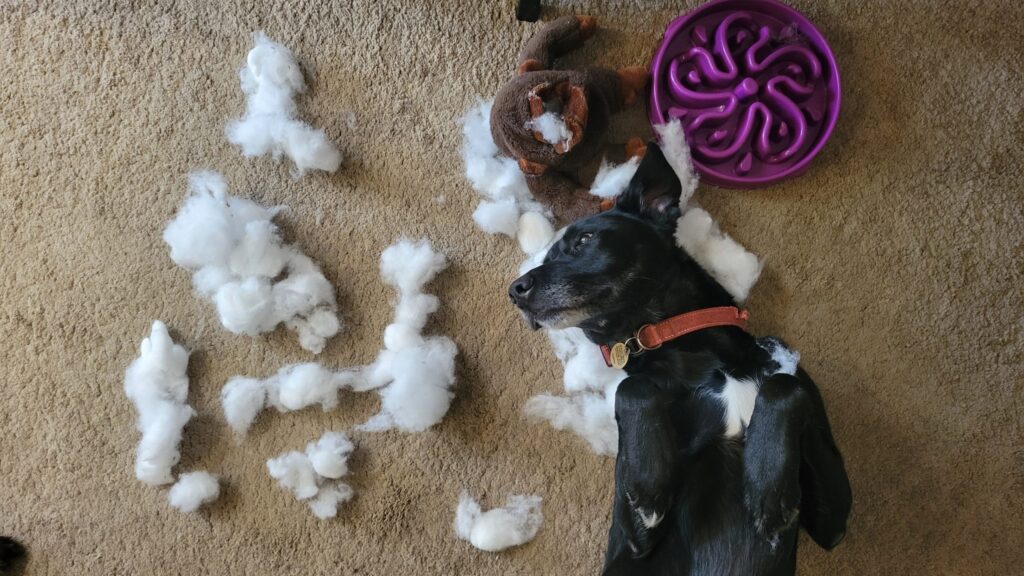
Building motivation through trick training
Jett has always adored his people. He loves affection, enjoys being involved and is generally delighted when somebody wants to do something with him.
I used that existing enthusiasm as the foundation for short, fun trick-training sessions.
We worked on activities such as spinning, crawling and touching a target with his nose. The focus was on making training enjoyable, giving him opportunities to succeed and allowing food rewards to become part of an interaction he already found rewarding.
Over time, his enthusiasm for participating increased, and so did his interest in food.
What I particularly liked about this approach was that we weren’t simply teaching tricks for the sake of having a dog who could spin on cue. We were developing his willingness to engage, his understanding of how his behaviour could earn rewards and his enjoyment of working with us.
Those skills are incredibly useful when we eventually ask him to respond in environments containing more distractions.
They’ve also helped strengthen our relationship. Jett increasingly chooses to engage with me because we’ve spent so much time making that interaction enjoyable.
Teaching Jett to use his nose
Alongside the trick training, I began introducing simple scent-based activities to all three dogs.
The Labradors picked things up relatively quickly, while Jett needed much more support to understand what the activity involved. We started with straightforward searches, helping him discover that investigating his surroundings and using his nose could lead to finding something rewarding.
As he became more confident, we gradually increased the difficulty and gave him greater opportunities to search independently.
The difference has been wonderful.
Jett is now incredibly food motivated and absolutely loves his sniffing games. He’ll often have his entire dinner provided as a searching activity, allowing him to forage and investigate rather than simply eating from a bowl.
For a dog who initially showed so little interest in searching for food, watching him enthusiastically work his way around a scent game is particularly rewarding.
His visual awareness is still very much his strength, and we’re not trying to change that. Instead, we’ve helped him develop additional ways to interact with his environment.
This has been particularly useful because Jett can become intensely focused on visually interesting stimuli. Having other enjoyable activities available gives us more opportunities to engage him in different ways.
And now, when we’re out walking, it’s lovely watching him put those skills to use, thoroughly investigating the smells he discovers along our routes.
Finding the right outlets for his energy and motivations
Food-based enrichment is only one part of Jett’s routine.
We’ve also introduced more opportunities for activities that suit his individual preferences, rather than assuming that longer walks or additional physical exercise are the answer to everything.
Jett particularly enjoys digging and scratching activities, including a nail-file board that he absolutely loves using.
Interestingly, this is something he can resource guard, so we provide those sessions individually, away from the other dogs. It allows him to enjoy a highly valued activity without introducing unnecessary competition.
He’s also particularly enthusiastic about energetic, rough-and-tumble play.
We have what we affectionately call our ‘bitey’ games, involving lively interaction, movement and opportunities to grip. They’re activities Jett finds very engaging, and we’ve incorporated them into his routine alongside other forms of enrichment.
Because of his behavioural history, it’s important that energetic play has clear boundaries, that we monitor his arousal and that he can disengage when needed. Using appropriate equipment and protected play setups is a safer way to accommodate those motivations than encouraging unrestricted biting towards hands or arms.
The intention isn’t simply to exhaust Jett or encourage higher and higher levels of excitement. It’s to provide appropriate outlets for activities he finds rewarding, while continuing to develop communication and the ability to settle afterwards.
One of the patterns I’ve identified is that Jett’s tendency towards conflict-seeking appears reduced when he’s had a good balance of suitable enrichment and physical activity.
That doesn’t mean giving him more exercise will automatically resolve his aggression. It’s about identifying what he needs, how different activities influence him and finding a balance that supports his behaviour throughout the day.
His beloved secure field adventures
Jett also enjoys a weekly visit to a secure field, where he can sprint around, explore and enjoy moving freely without the unpredictability of encountering unfamiliar dogs in an open public space.
One of the most interesting things about these visits is how differently he can respond to dogs in neighbouring secure fields.
Rather than displaying the defensive behaviour we sometimes see elsewhere, Jett will often approach the boundary with loose, friendly-looking body language and invite the other dog to race him along the fence.
He absolutely loves sprinting backwards and forwards with them!
These interactions have provided opportunities for enjoyable experiences involving other dogs while maintaining physical separation.
Of course, fence-running isn’t automatically a positive experience for every dog. It can also contribute to frustration or excessive arousal, so we pay attention to how Jett and the other dog are behaving.
In Jett’s case, these particular interactions have generally appeared enjoyable, although we certainly don’t interpret them as evidence that he’d be comfortable interacting face-to-face.
It’s a useful reminder that the same dog can respond very differently depending on the situation.
Building communication into everyday life
One of the biggest changes we’ve made, and probably one of my favourite parts of Jett’s progress, is how much we communicate with him throughout the day.
Jett absolutely adores his people. He loves a snuggle, enjoys affection and wants to be involved in whatever we’re doing.
Rather than only communicating when we’re asking him to perform a particular behaviour, we’ve made a conscious effort to talk to him throughout everyday activities.
We narrate what we’re doing, acknowledge things he notices and use familiar words and tones in consistent situations.
Over time, he’s become increasingly responsive to these everyday interactions.
Dogs learn associations between sounds, body language, context and outcomes, so the way we communicate can become meaningful to them even when we’re not giving a formal training cue.
A lovely example happened on one of our recent walks.
At home, Jett occasionally notices somebody passing the window and becomes alert. We’ll often respond very casually with something like, “Oh, it’s just a man going for a walk,” using a completely relaxed tone.
Recently, while out walking, Jett spotted a man nearby and displayed the same alertness.
I used that familiar phrase in the same casual tone, and he immediately disengaged and continued walking with me.
It was such a small moment, but I absolutely loved it.
Jett isn’t generally concerned about people, so this wasn’t about managing aggression towards a stranger. What made it interesting was seeing how readily he responded to a familiar pattern of communication in a different environment.
It’s a lovely example of how everyday relationship-building can support more structured training.
We’ve also worked together as a household to become more consistent in how we respond to Jett, learning to recognise his communication and adapting our own behaviour when necessary.
Training isn’t only about teaching the dog. Sometimes a significant part of the process involves helping the people around them develop new habits too.
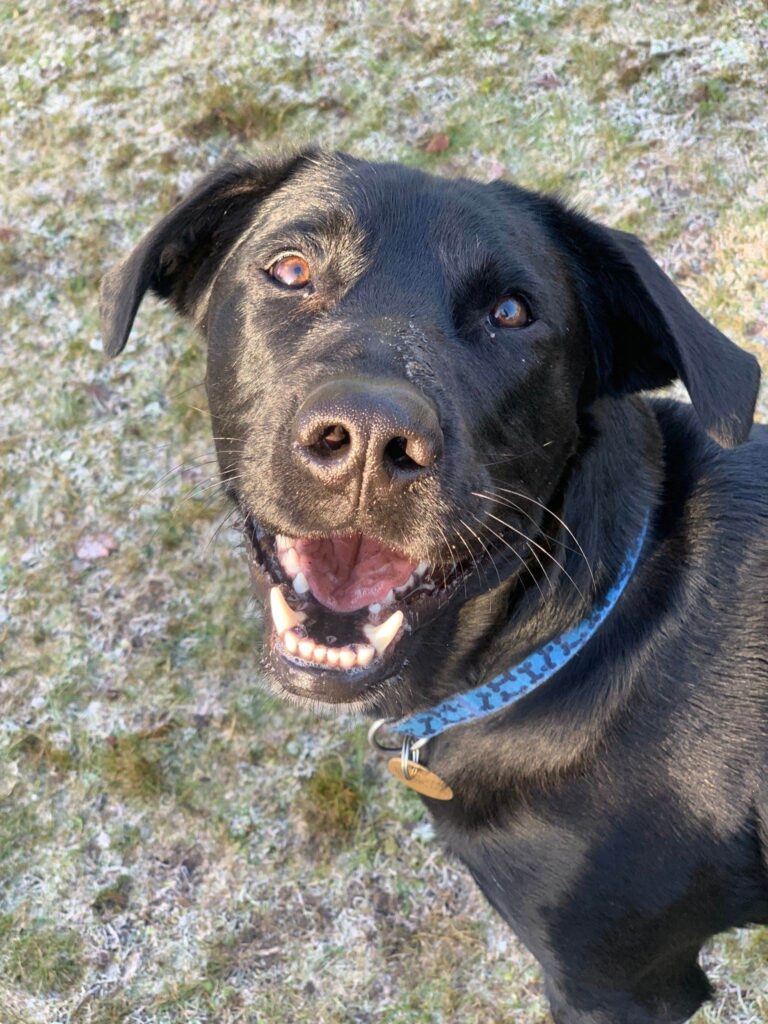
How his environment has helped
Jett’s living environment has changed considerably since his earlier experiences in the UK.
Previously, his family lived somewhere relatively isolated and quiet, with few opportunities to hear people and dogs passing nearby.
For over a year now, we’ve lived beside a public walking alleyway, so the sounds of footsteps, conversations, barking and passing dogs have become a much more regular part of everyday life.
Over time, Jett has become less concerned by some of these sounds.
This is an example of how repeated exposure to everyday stimuli can sometimes lead to habituation, where a dog gradually responds less to something that has become familiar and doesn’t predict anything particularly significant.
However, exposure alone isn’t automatically beneficial. Repeatedly exposing a frightened dog to something overwhelming can make their responses worse.
For Jett, we’ve combined the changes in his environment with more predictable routines, better communication and opportunities to move away when needed.
We’re also working on his reactions at the garden fence.
Jett can become very vocal when something beyond the boundary catches his attention. Rather than expecting him never to bark, we’ve been developing a clear cue to disengage and come away.
He’s still allowed to communicate, but we’re teaching him that when he’s cued away from the fence, that interaction is finished.
This has given us another opportunity to practise disengagement when something exciting or concerning is happening nearby.
And that same skill is now becoming particularly valuable on our walks.
Getting back out into the neighbourhood
After spending time developing these different elements of Jett’s routine, we’ve begun gradually reintroducing regular street walks.
We’re currently enjoying around 20 minutes at a time, deliberately choosing quieter periods when we’re less likely to encounter unfamiliar dogs at close distances.
I’ve also been considering the timing of these walks in relation to his other activities.
For example, we’re currently choosing to walk one or two days after his big secure field run, when I’ve generally observed that his baseline arousal is lower and he’s better able to settle and engage.
Rather than simply increasing his exercise, I’m using what I’ve learnt about Jett’s behaviour to choose the circumstances in which he’s most likely to have a successful experience.
We’re not aiming to cover a particular distance or increase the duration every time.
Instead, we’re concentrating on making these outings comfortable, enjoyable and predictable, giving him plenty of opportunities to stop, sniff and become familiar with the routes we’re exploring.
And we’re seeing some really encouraging changes.
We’ve heard dogs barking nearby, including dogs jumping at fences as we’ve passed, and Jett has repeatedly chosen to check in with me and continue walking rather than escalating into defensive responses.
Hearing a dog behind a fence is very different from encountering one directly, so I’m not treating these experiences as evidence that his reactivity has been resolved.
What they do show is that Jett is becoming increasingly responsive to our communication and more comfortable navigating these particular situations.
And perhaps most importantly, he’s really enjoying himself.
How we’ve been building his loose-lead walking skills
Before asking Jett to manage more challenging environments, I’ve also spent time developing the basic skills that make walking together easier.
We started in the garden, where distractions were manageable and he could concentrate on learning what I was asking.
I used a stop-and-wait approach, pausing when the lead became tight and rewarding Jett when he re-engaged and returned to a position where we could continue walking together.
This helped him learn that pulling wasn’t what moved us forwards, while staying connected with me allowed the walk to continue.
Alongside this, we worked on responding to gentle lead pressure and following changes in direction, helping him understand how to move comfortably with me rather than simply reaching the end of the lead.
We also introduced 1, 2, 3 pattern games, where a predictable counting sequence is followed by a reward.
These games are useful because they create a familiar rhythm and give the dog a clear expectation of what happens next. For Jett, they’ve also provided another enjoyable opportunity to engage with me while we’re moving.
Of course, this has all been supported by the trick training, games and relationship-building we’ve been developing at home.
I want Jett to choose to stay connected with me because doing so has a positive history, rather than because he’s being physically prevented from moving away.
Talking our way through walks
One thing that perhaps makes our walks a little different is how much I talk to him!
Jett is very responsive to familiar words and tones, so I use plenty of relaxed verbal praise when he’s walking comfortably on a loose lead, checking in with me or making good choices.
If he begins to pull or becomes distracted, I’ll pause and become quiet while waiting for him to re-engage.
When he reconnects with me and the lead becomes loose again, I’ll acknowledge that and we can continue.
That difference in communication has become part of how we understand one another.
I’m not expecting Jett to walk in a formal heel position for the entirety of our outings. He’s encouraged to sniff, explore and investigate his surroundings, provided we can move together comfortably and safely.
The goal is a dog who understands lead pressure, responds to familiar communication and enjoys being out with me.
Why I use a double-ended training lead
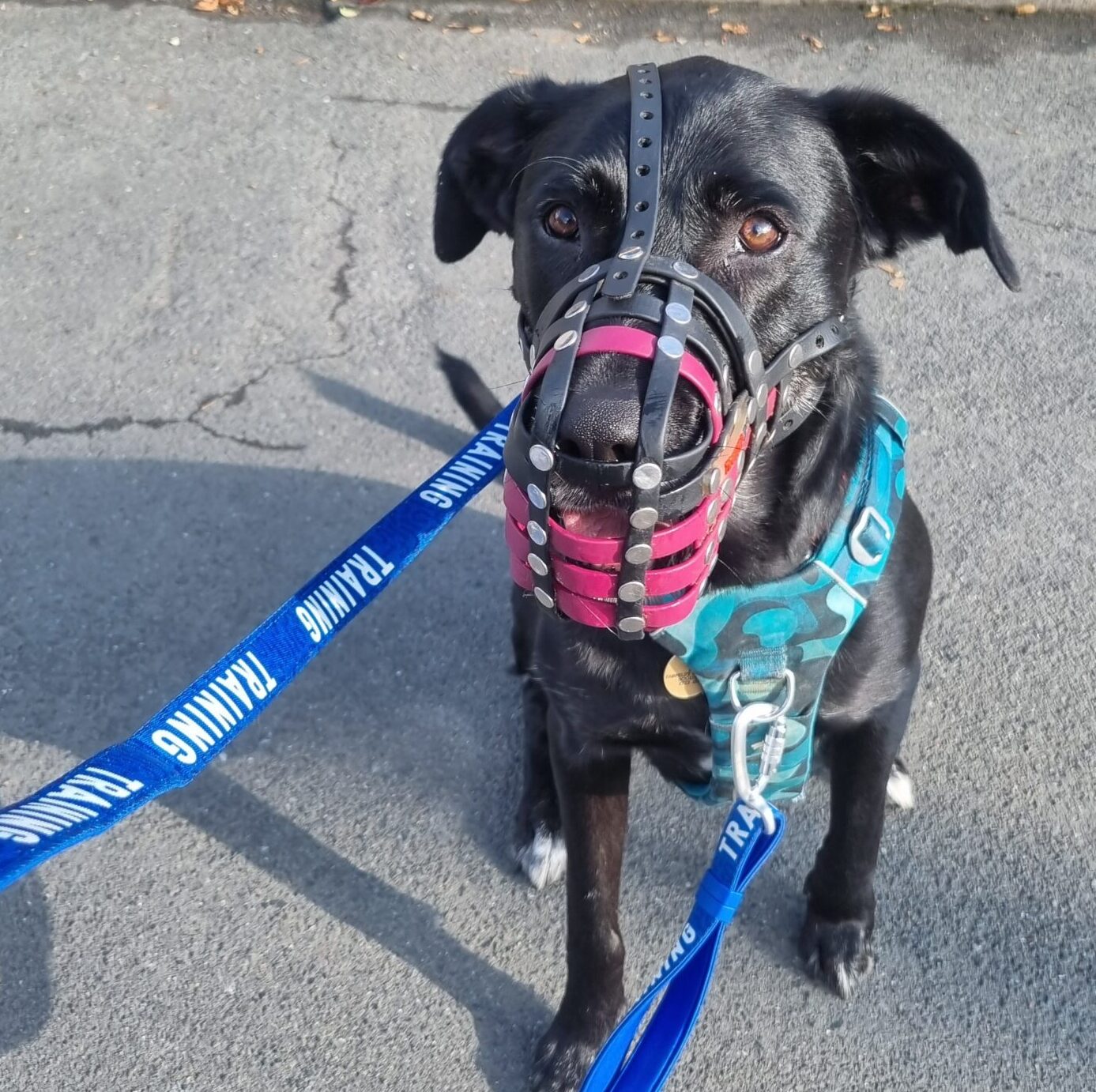
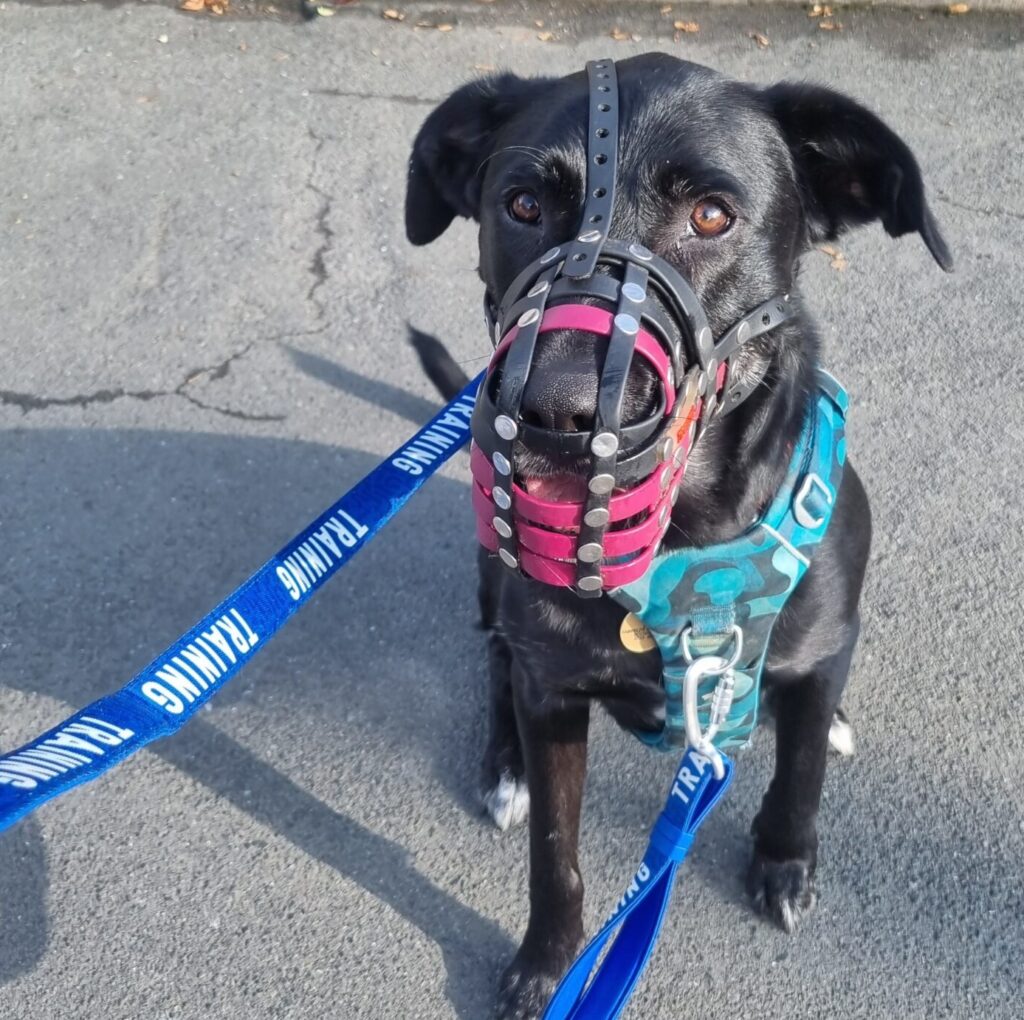
In the photographs accompanying this article, you’ll notice that Jett wears a harness with a double-ended Twiggy Tags training lead attached to both the back and front connection points.
Although both points are attached, I use the back attachment for our normal walking and deliberately keep the front connection slack.
Jett has been taught how to walk on a loose lead, so I’m not relying on the front attachment to physically discourage pulling or steer him around.
Instead, that additional connection is there as a safety precaution, giving me another point of guidance and control if a difficult situation arises.
For a dog with Jett’s history of serious dog-directed aggression, appropriate equipment and careful handling are essential parts of responsible management.
His muzzle, harness and lead all contribute to keeping everyone safe, but they don’t replace the training itself.
The aim is to develop the skills and communication that make those additional precautions less likely to be needed, while keeping them available because we recognise the risks involved.
Why we’re practising these skills before introducing other dogs
Although our walks are enjoyable, they’re also serving a very deliberate training purpose.
Before we begin structured behaviour modification sessions involving unfamiliar dogs, I want to be confident that Jett understands our general walking routines and familiar cues in a variety of environments.
He already has experience responding to communication at home, but learning a cue in the garden doesn’t automatically mean a dog can respond to it reliably out on the street.
Dogs don’t necessarily generalise learning between environments in the way people might expect.
Different smells, sounds, movement, distractions and emotional states can all influence how readily they respond.
By practising on quiet streets, we’re helping Jett understand that the same familiar cues still apply even when his surroundings are different.
We’re developing his ability to follow changes in direction, respond to lead pressure, check in with me and disengage from things that catch his attention.
We’re also learning more about how his responsiveness changes as his arousal increases.
At home, when he’s relaxed, responding to familiar communication is relatively straightforward. On a walk, where there are unfamiliar smells, movement and occasional unexpected sounds, those same behaviours can become more challenging.
Our aim is to develop reliable communication at low and moderate levels of arousal, while recognising that expecting a dog to respond perfectly when they’re overwhelmed isn’t realistic or fair.
If Jett becomes increasingly tense, struggles to disengage or stops responding to familiar cues, that tells me the situation is becoming too difficult.
Rather than pushing through, we can adjust the environment or move away.
That’s the foundation I want in place before deliberately introducing one of his most challenging triggers.
The next stage: Working with a stooge dog
Once I’m happy with Jett’s walking foundations, the next stage will involve carefully planned sessions with a suitable stooge dog.
For anyone unfamiliar with the term, a stooge dog is a carefully selected dog used in controlled training sessions, allowing another dog to practise working around them in a predictable environment.
For Jett, we’ll be choosing an appropriate dog and handler who can remain calm, follow a planned setup and maintain whatever distance is needed.
The environment will also be chosen carefully, with good visibility, plenty of space and clear opportunities to increase distance or leave.
Because Jett has a history of serious dog-directed aggression, these sessions will be carefully risk-assessed, with secure equipment, his muzzle and controlled handling remaining essential.
The first goal won’t be to approach the other dog.
It will simply be to establish a distance at which Jett can notice the dog without becoming overwhelmed.
Starting at a comfortable distance
We’ll initially work at a substantial distance, allowing Jett to observe the stooge dog while remaining comfortable enough to investigate his surroundings, move freely and respond to familiar communication.
This is where the skills we’ve been developing on our ordinary walks become particularly useful.
I’ll be paying attention to his body language, movement, attention and ability to recover after noticing the other dog.
Can he see the dog without becoming intensely fixated? Can he turn away voluntarily? Is he still interested in investigating his surroundings? Can he respond to familiar communication without appearing distressed or conflicted?
These observations will help determine whether we’re working at an appropriate distance.
And importantly, simply being quiet won’t be enough.
A dog can stop barking while still feeling incredibly frightened or overwhelmed, so it’s essential to consider their overall behaviour rather than relying on the absence of an obvious reaction.
Helping him feel differently about other dogs
Once we’ve established a suitable starting distance, we’ll work towards helping Jett develop more comfortable associations with the presence of another dog.
This is where systematic desensitisation and counterconditioning come into our approach.
In simple terms, desensitisation involves introducing something the dog finds difficult at a level they can comfortably cope with, gradually adjusting the difficulty as they become more confident.
Counterconditioning involves helping the dog develop a different emotional response by pairing that experience with something they find rewarding.
For Jett, this might mean that noticing a dog at a comfortable distance predicts an enjoyable activity or reward, without requiring him to approach or interact.
We’re not simply teaching him to remain quiet while feeling frightened.
We’re working towards changing how he feels about another dog’s presence, while giving him opportunities to practise safe, voluntary disengagement.
That distinction is particularly important for a dog whose reactivity can involve serious aggression.
Adjusting distance according to Jett’s responses
As Jett becomes more comfortable, we’ll gradually experiment with reducing the distance between him and the stooge dog.
However, progress won’t mean moving closer during every session.
If Jett remains relaxed and responsive, we may reduce the distance slightly.
If he begins to struggle, we’ll increase it again.
And if he’s becoming overwhelmed, we’ll increase the distance substantially or end the exercise.
Sometimes I’ll deliberately increase the distance even when he’s coping well, giving him an easier experience before introducing another manageable challenge.
This means we aren’t constantly asking him to work at the most difficult level he can tolerate.
His behaviour and emotional state will determine the pace, rather than a predetermined timetable or expectation that we must move closer every session.
Learning isn’t always linear, and his tolerance may vary depending on recent activity, sleep, environmental conditions and experiences earlier in the day.
That’s all information we’ll take into account.
Progressing towards parallel walks
Eventually, if Jett is comfortable with the earlier stages, we’d like to introduce parallel walking.
This involves the dogs moving in the same general direction while maintaining a suitable distance between them.
Parallel walking can provide opportunities for dogs to experience one another’s presence without the social pressure of approaching face-to-face.
Initially, there may still be a considerable amount of space between them.
As Jett becomes more comfortable, we may gradually reduce that distance, always taking account of the wellbeing and responses of both dogs.
We can also increase the distance again whenever necessary.
Importantly, proximity isn’t the ultimate goal.
I want Jett to be able to continue walking, investigate his surroundings, respond to familiar communication and remain emotionally comfortable while another dog happens to be nearby.
He doesn’t need to greet the dog, play with the dog or become particularly interested in it.
Being able to comfortably coexist in the same environment would be a wonderful outcome.
What will success actually look like for Jett?
This is something I think is particularly important for anybody reading who also lives with a reactive dog.
We’re not aiming to turn Jett into a dog who absolutely loves every other dog he meets.
Given his history, I think it’s entirely possible that he’ll always have some degree of dog reactivity, and certain situations may always require careful management.
That doesn’t mean he can’t make meaningful progress or enjoy an excellent quality of life.
It simply means our expectations need to reflect the individual dog we’re working with.
For Jett, success might mean being able to enjoy regular walks without feeling constantly threatened by the possibility of encountering another dog.
It might mean noticing a dog across the road and choosing to continue sniffing rather than becoming fixated.
It might mean being able to walk comfortably at an appropriate distance from another dog, without needing to interact.
Or it might mean recognising that a situation is too difficult and moving away with us before things escalate.
All of those would represent genuine progress.
We’ll also continue to use his muzzle as an important safety precaution, alongside appropriate lead handling, environmental management and sensible decisions about where and when we walk.
His history of serious dog-directed aggression means we have a responsibility to protect Jett, other dogs and the people around us.
Training progress doesn’t remove that responsibility.
And perhaps most importantly, we won’t measure success solely by how closely Jett can approach another dog.
His emotional wellbeing matters just as much as his outward behaviour.
A dog who walks silently past another dog while feeling intensely frightened isn’t necessarily experiencing the same success as a dog who calmly notices another dog and continues exploring because they genuinely feel comfortable.
Our aim is the latter.
We want Jett to feel safer, have greater behavioural flexibility and develop the confidence to navigate ordinary situations without experiencing the same level of distress or conflict.
Why looking at the whole dog matters
Something I really hope Jett’s journey demonstrates is that behaviour modification doesn’t always begin with the behaviour you’re ultimately trying to change.
We’ve spent considerable time looking at his enrichment, physical activity, emotional state, environment, communication, daily routines, motivations and relationships.
We’ve considered the activities he finds rewarding, the situations he struggles with and the ways his behaviour changes depending on what’s happened throughout his day.
We’ve also worked together as a household to create greater consistency, learning to recognise his communication and adapting how we respond to him.
Everyone has brought their own experiences and understanding to that process, and it’s been lovely seeing the whole family develop alongside Jett.
None of these changes exists in isolation, and it would be difficult to identify exactly how much any individual intervention has contributed to his improvement.
But together, they’ve helped us establish a foundation from which we can begin more structured work on his responses towards unfamiliar dogs.
This is what a holistic approach means to me.
It isn’t about finding one particular exercise that fixes a behaviour.
It’s about considering the dog as an individual, understanding the wider circumstances influencing their behaviour and developing a realistic plan that supports both their welfare and the practical needs of the people living with them.
For some dogs, that might involve changes to their exercise routine.
For others, it may involve improving opportunities for rest, adjusting the environment, addressing frustration, developing communication or reconsidering the expectations being placed on them.
Often, it’s a combination of several things.
And importantly, the solution isn’t necessarily to provide more of everything. More exercise, more stimulation or more exposure can sometimes make matters worse if they’re not suited to the individual.
It’s about finding an appropriate balance.
Celebrating the dog we have
Jett is still very much Jett.
He’s affectionate, energetic, occasionally rather opinionated, loves a good snuggle and absolutely adores his people.
He enjoys racing around a secure field, investigating every interesting smell and participating enthusiastically in whatever his family are doing.
He also happens to find certain situations involving unfamiliar dogs incredibly difficult.
Those difficulties don’t define everything about him, and they certainly don’t take away from all the wonderful things that make him who he is.
We’re not trying to create an entirely different dog.
We’re simply working towards helping him feel more comfortable, giving him appropriate outlets for his needs and developing the skills to navigate the world safely.
And on a personal note, I’m absolutely loving being able to explore with him again.
There’s something incredibly rewarding about watching a dog who has struggled with ordinary experiences begin to enjoy them.
Seeing Jett wandering along, thoroughly investigating a particularly interesting patch of grass, checking in with me when something catches his attention and then happily continuing on his way is genuinely lovely.
It’s also been wonderful watching his family adapt and grow alongside him, with everyone working towards the same goal of helping him feel more comfortable in the world.
We still have plenty to work on, and I’m sure there will be challenges along the way.
But we’re not in a rush.
For now, we’re enjoying our quiet, sniffy 20-minute adventures, celebrating the little improvements and making sure Jett has plenty of opportunities to enjoy being a dog.
Sometimes, the biggest achievements really do look like a perfectly ordinary walk. 💚

Written by Ellie, Ellie’s Animal Academy | BSc Animal Behaviour and Training
Jett’s story is an account of our individual training journey, rather than a universal training plan. Reactivity and aggression can have several contributing factors, and dogs with a history of serious dog-directed aggression require individual risk assessment and appropriately qualified professional support.