How Summer Turns to Winter: A Pet Owner’s Guide to Seasonal Changes in Cats and Dogs
As the leaves begin to change and the air turns crisp, it’s not just humans who feel the shift from summer to winter. Our furry companions, cats and dogs, also experience significant changes during this seasonal transition. Understanding these changes can help pet owners provide better care and ensure their four-legged friends remain happy and healthy year-round. Let’s explore the fascinating ways in which cats and dogs adapt to the cooling temperatures and shorter days.
The Great Coat Switch
One of the most noticeable changes in pets during the transition from summer to winter is their coat. Both cats and dogs undergo a process called “coat blow” or shedding, where they lose their lighter summer coat to make way for a thicker, warmer winter coat.
For dogs, this process can be quite dramatic, especially in double-coated breeds like Huskies or German Shepherds. These breeds shed their undercoat entirely, growing a new, denser layer for added insulation. Even single-coated breeds may experience some level of coat thickening.
Cats, too, grow a winter coat, though the change might be less noticeable to owners. Indoor cats may experience less dramatic coat changes compared to their outdoor counterparts, as they’re less exposed to temperature fluctuations.
Behavioral Changes Due to Coat Shedding
It’s important to note that this coat transition can significantly affect your pet’s behavior. As pets shed their summer coats, they may experience itchiness and irritation from loose hairs trapped in their fur. This discomfort can lead to:
- Increased scratching or biting at their skin
- Restlessness or difficulty settling down
- Irritability or changes in mood
- Excessive grooming, potentially leading to hairballs in cats
- Rubbing against furniture or carpets more frequently
These behaviors are your pet’s way of trying to alleviate the discomfort caused by shedding. In some cases, the irritation can be severe enough to cause skin inflammation or hot spots, especially in dogs.
To help your pet through this transition:
- Brush your pet daily to remove loose fur and prevent matting
- Consider using a deshedding tool during heavy shedding periods
- Provide plenty of fresh water to keep your pet hydrated, which can help with skin health
- Use pet-safe moisturizing shampoos or conditioners if bathing your pet during this time
- Consider adding omega-3 fatty acid supplements to your pet’s diet to support skin and coat health
If you notice excessive scratching, redness, or signs of skin irritation, consult your veterinarian. They can rule out other skin conditions and may recommend medicated shampoos or other treatments to ease your pet’s discomfort.
Pro Tip: Increase brushing sessions during this time to help remove loose fur and prevent matting. It’s also a great opportunity to bond with your pet and monitor their skin health!
Energy Levels: The Winter Slowdown
As temperatures drop and daylight hours decrease, many pets experience a change in their energy levels. You might notice your once-bouncy puppy or playful kitten becoming a bit more lethargic or preferring to snuggle up for a nap rather than engage in playtime.
This change is perfectly normal and is often attributed to a combination of factors:
- Colder temperatures make outdoor activities less appealing, especially for dogs who may be reluctant to go on walks.
- Shorter days can affect animals’ circadian rhythms, potentially leading to longer sleep periods.
- The instinctual urge to conserve energy during winter months, a remnant of their wild ancestors’ survival tactics.
While a slight decrease in activity is normal, it’s important to ensure your pets still get adequate exercise to maintain their health and prevent weight gain.
Indoor Activities to Keep Your Pet Active
Just because it’s cold outside doesn’t mean the fun has to stop. Here are some engaging indoor activities to keep your pet physically and mentally stimulated during the winter months:
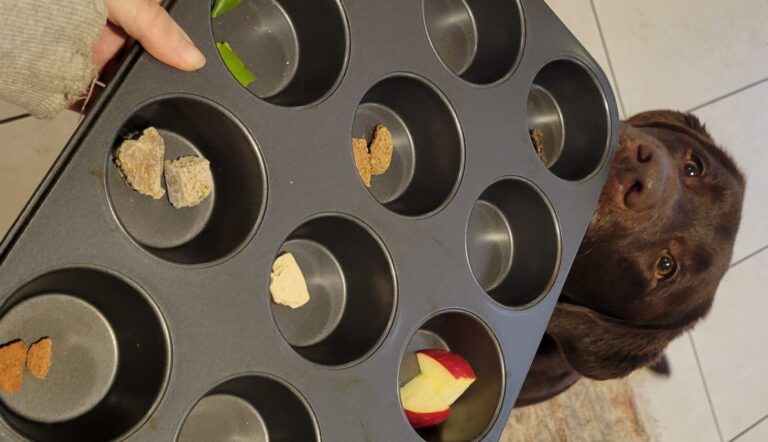
- Snuffle Mats: These textured mats with hidden treats are great for dogs. They encourage natural foraging behaviors and provide mental stimulation. You can even make a DIY version using a rubber mat and strips of fleece.
- Hide and Seek: This game works for both cats and dogs. Hide treats or toys around the house and encourage your pet to find them. For cats, you can hide their favorite toy or a small amount of catnip. For dogs, use their favorite treats or a toy with a familiar scent.
- Training Sessions: Winter is a perfect time to work on obedience training or teach your pet new tricks. Short, regular training sessions can provide mental stimulation and strengthen your bond. Try teaching your dog new commands or your cat to do tricks like high-five or come when called.
- Indoor Obstacle Courses: Create a mini agility course using household items. Use cushions as jumps, create tunnels with cardboard boxes, or set up weave poles with standing rolls of wrapping paper.
- Interactive Toys: Invest in puzzle feeders or treat-dispensing toys. These can keep your pet occupied for extended periods and provide both mental and physical exercise.
- Tug-of-War: For dogs, a good game of tug can provide excellent exercise. Just be sure to have a “release” command to keep the game under control.
- Laser Pointer Games: Many cats (and some dogs) love chasing a laser pointer. Just be sure to end the game with a physical toy they can “catch” to avoid frustration.
- Stair Exercise: If you have stairs in your home, encourage your dog to go up and down a few times. This can be a great cardio workout.
- Indoor Fetch: Use a soft toy to play a gentle game of fetch in a hallway or large room.
- Kitty Fishing: For cats, tie a toy to a string on a stick (like a fishing rod) and encourage them to chase and pounce.
Remember, the key is to keep these activities fun and engaging. Rotate toys and games to keep your pet interested, and always supervise play to ensure safety. By incorporating these activities into your daily routine, you can help your pet stay active, maintain a healthy weight, and beat the winter blues.
The Winter Appetite
Speaking of weight gain, many pet owners notice an increase in their furry friends’ appetites as winter approaches. This is a natural response to the body’s increased energy demands for maintaining warmth.
However, this can be tricky for pet owners to navigate. While outdoor pets or very active animals might indeed need more calories to compensate for the energy spent staying warm, many indoor pets don’t require this caloric increase. In fact, combined with decreased activity levels, extra food can quickly lead to unhealthy weight gain.
Pro Tip: Consult with your veterinarian about adjusting your pet’s diet for the winter months. They can provide personalized advice based on your pet’s age, breed, activity level, and overall health.
Skin and Paw Care: Combating Winter Dryness
The drop in humidity that often accompanies colder weather can wreak havoc on your pet’s skin and paws. Dogs, in particular, may experience dry, cracked paw pads from walking on cold surfaces or areas treated with de-icing chemicals.
Both cats and dogs might suffer from dry, itchy skin, which can lead to increased scratching and potential skin infections if left unaddressed.
To help your pets stay comfortable:
- Consider using a humidifier in your home to combat dry air.
- Apply pet-safe moisturizers to your dog’s paw pads before walks.
- Increase the omega-3 fatty acids in your pet’s diet to support skin health.
- Wipe your dog’s paws after walks to remove any de-icing chemicals or salt.
Behavior Changes: Seeking Warmth and Comfort
As the temperature drops, you might notice some changes in your pet’s behavior. Cats may become more clingy, seeking out warm laps or sunny spots by windows. Dogs might be more reluctant to go outside for walks or bathroom breaks.
Many pets will seek out warm, cozy spots in the house. You might find your cat curled up near a heat vent or your dog burrowing under blankets. This “heat-seeking” behavior is entirely normal and helps them conserve body heat.
Health Considerations: Winter Woes
The change in seasons can exacerbate certain health conditions in pets:
- Arthritis: Cold weather can increase joint pain and stiffness, especially in older pets or those with pre-existing conditions.
- Respiratory issues: Pets with respiratory problems may struggle more in cold, dry air.
- Skin conditions: The dry winter air can worsen skin allergies or eczema.
Keep a close eye on pets with known health issues and consult your vet if you notice any concerning changes.
Hydration: The Silent Challenge
While it might seem counterintuitive, pets can actually become dehydrated more easily in winter. The dry air increases moisture loss through respiration, and pets may drink less water when it’s cold.
Ensure your pets always have access to fresh, unfrozen water. Consider a pet water fountain to encourage drinking, or add a bit of low-sodium broth to their water to make it more appealing.
Conclusion: Embracing the Seasonal Shift
The transition from summer to winter brings a host of changes for our feline and canine companions. By understanding these changes, we can better support our pets through the seasonal shift, ensuring they remain comfortable, healthy, and happy year-round.
Remember, every pet is unique. While these changes are common, your furry friend may experience them to varying degrees. Always consult with your veterinarian if you have concerns about your pet’s health or behavior during seasonal transitions.
With a little extra care and attention, you and your pet can enjoy all the cozy comforts that winter has to offer. So grab a warm blanket, snuggle up with your furry friend, and embrace the changing seasons together!