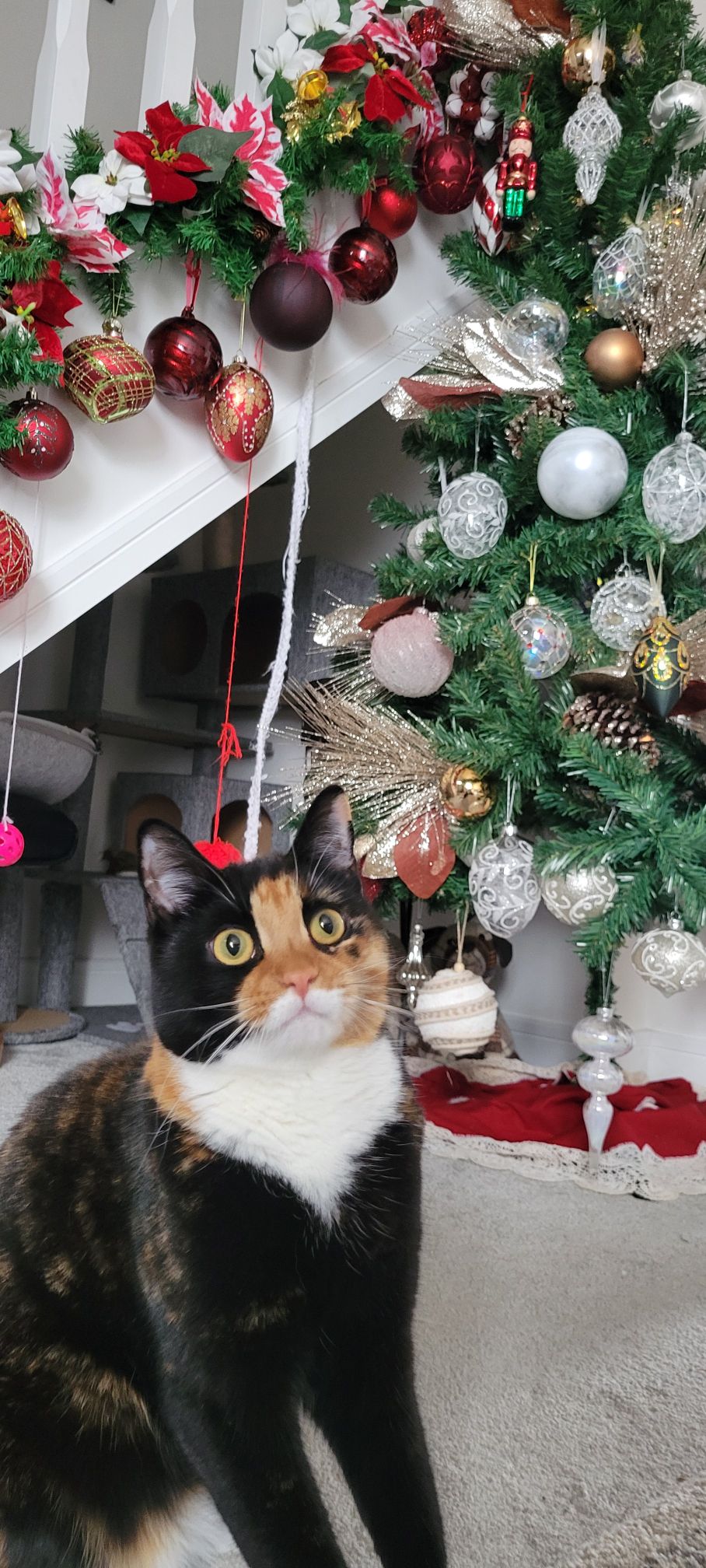
Helping Your Pet Cope with Christmas Changes
The festive season brings so much colour, warmth and anticipation into our homes. For many of us, it’s a time filled with familiar rituals: decorating the tree, wrapping presents, welcoming friends, planning gatherings and embracing the cosy shift into winter routines. But while we may delight in every sparkle and rustle, our pets often experience something entirely different. The sudden appearance of new objects, new smells, unfamiliar visitors and disrupted schedules can be confusing and, for some, quite unsettling.
Cats and dogs rely heavily on consistent patterns of daily life. They notice when furniture moves, when scents change and when household rhythms shift. As Christmas approaches, many homes undergo a full transformation — trees suddenly appear, lights flash, parcels pile up, music plays more often and the general energy becomes busier. This novelty, while exciting for humans, can be overwhelming for animals who thrive on predictability. Helping them adjust early, gradually and thoughtfully can transform December into a calmer, more confidence-building experience for everyone.
In this blog, I’ll walk you through simple ways to ease your pets into the festive season with as little stress as possible. With the right preparation, Christmas doesn’t have to be chaotic — it can be just as enjoyable for cats and dogs as it is for us.
Why Christmas Feels Different for Pets
To understand why seasonal changes can be tricky, it helps to look at life from your pet’s perspective. Cats and dogs learn about their world by observing patterns. When those patterns shift suddenly, it can make them feel unsure. A decorated Christmas tree is essentially a large, new, scent-rich structure placed right in the middle of their territory. Boxes of decorations smell unfamiliar. Pine needles fall. Lights flicker. Visitors’ shoes hold scents from outdoors and other animals. Wrapping paper crinkles. The daily walk may happen later, the cat’s favourite sunny nap spot might be blocked by newly rearranged furniture, or the front door might open more often than usual.
These changes aren’t inherently negative, but without support, they can be overwhelming. Dogs may become excitable, clingy or vocal. Cats may hide more than usual, over-groom or become a bit grumpy about interactions they’d normally tolerate. It isn’t misbehaviour — it’s communication.
Recognising early signs of discomfort helps you intervene before stress escalates. Look for behaviours like pacing, hiding, lip-licking, vocalising, tail lashing in cats, or seeming more reactive to everyday noises. When we pause to notice these signals, we can respond with adjustments that help pets feel safe again.
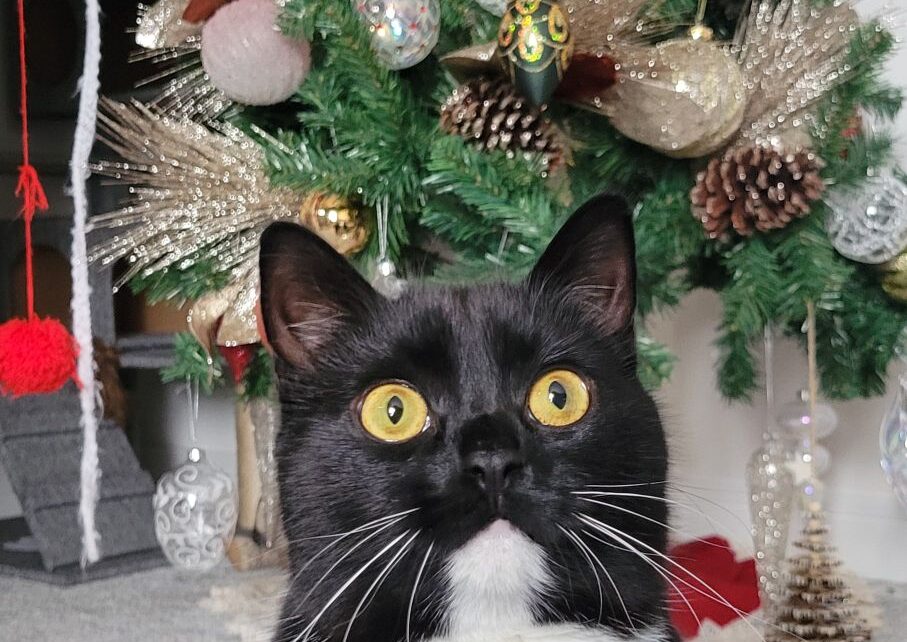
Introducing the Christmas Tree Safely
One of the biggest visual changes in any home is the Christmas tree. Whether real or artificial, it instantly alters the layout of a room. Many pets are drawn to it out of curiosity — especially cats, who often see it as a climbing frame, and dogs, who want to sniff every new scent.
I’ve always found it helpful to introduce the tree in stages. Back at my mum’s house, we had a yearly routine with our two cats, Miso and Wren. We would put the tree up “naked” — no decorations, no lights, nothing dangling or appealing — about a week before actually decorating it. That simple step gave the cats plenty of time to investigate the tree safely. They could sniff it, walk around it, understand its presence and choose how comfortable they felt approaching it. By the time the decorations were added, the novelty had already faded, and their curiosity was far more measured.
You can follow the same principle. Put up the undecorated tree early, ideally in the same spot it will remain for the whole season, and let your pets adjust at their own pace. Supervise early interactions if your animal tends to chew or climb, and reward calm engagement with treats, praise or gentle fussing. Once they seem relaxed around it, you can gradually add decorations — starting with less tempting items like non-shiny baubles higher up and avoiding anything that easily shatters.
For dogs, consider temporarily blocking access if they’re particularly boisterous during the first few days. For cats, secure the tree firmly and avoid dangling decorations near the bottom; these can quickly become irresistible toys.
Managing Scent, Sound and Movement
Christmas isn’t just about visual changes — it’s a full sensory experience. Animals notice scents long before humans do, so bringing boxes down from the loft or introducing new festive items can feel like a flood of unfamiliar smells. You can make life easier by airing out new decorations before placing them around the home, especially strongly scented artificial foliage or plastic items.
Music and sound levels often increase during December too. Christmas films, jingling bells, laughter from guests and the rustling of wrapping paper all add to the sensory load. Creating a predictable soundscape helps immensely. Try keeping one main area of the home at its usual volume and routine — a safe, familiar “base camp” for your pets. Dogs may benefit from a consistent bedtime routine and calm background sounds such as gentle music or white noise. Cats often appreciate stable access to quiet rooms where nothing much changes, particularly when company arrives.
Movement is another factor. Additional foot traffic around the house, doors opening and closing, and the general busyness of the season can make pets (especially younger or more sensitive ones) feel unsure. Make pathways predictable where possible. Keep frequently used walkways clear and ensure your pet’s bed or resting point is somewhere they won’t be repeatedly disturbed.
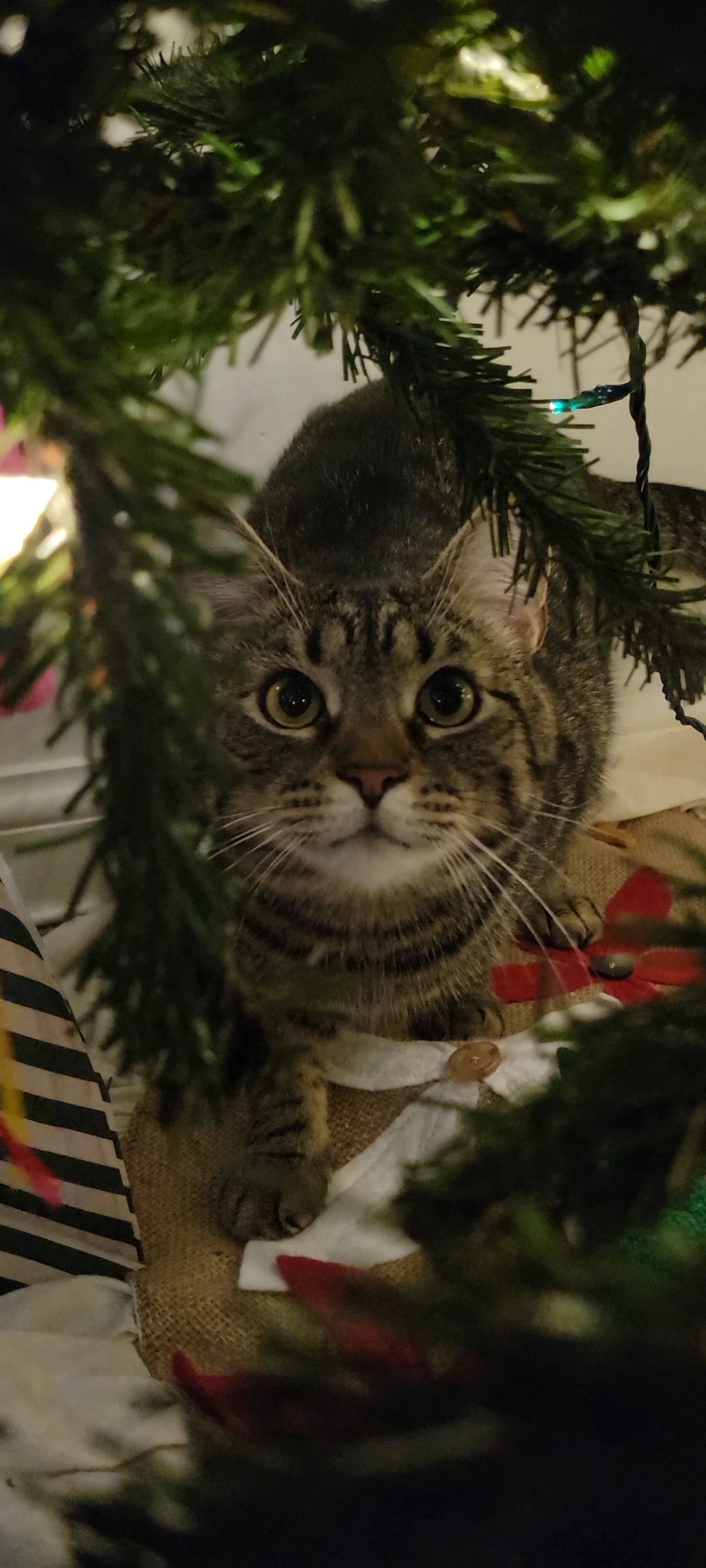
Preparing Predictable Resting Spots
One of the simplest and most effective ways to help pets cope with Christmas is to establish reliable resting areas well before the festivities begin. Cats and dogs both benefit from having spaces where they can retreat from stimulation.
For dogs, offer a quiet corner with their bed, a cosy blanket and perhaps a chew or two to help them unwind independently. This should be a spot where visitors know not to disturb them. Reinforcing that this area is a “do not bother” zone helps dogs feel protected when the house is lively.
Cats often prefer elevated or semi-hidden spaces. Before guests arrive for the season’s social gatherings, set up additional high resting shelves, cardboard hideaways or soft beds in quiet rooms. Let them come and go freely. Some cats may spend the majority of a busy day tucked away peacefully — that’s perfectly normal and healthy.
If you know your pet is particularly sensitive, set up calming aids such as pheromone diffusers, snuffle mats, or puzzle feeders to encourage soothing behaviours. These small touches support them in processing the festive environment at a manageable pace.
Supporting Pets During Gatherings and Visitors
Visitors are often part of the seasonal charm — but they can be daunting for animals. Whether your dog is prone to jumping up excitedly or your cat prefers to observe strangers from a distance, early preparation helps them navigate the social shift.
Before guests arrive, give your pet a chance to expend some energy. A good walk for dogs or a play session for cats can help take the edge off excitement. Let visitors know how best to interact with your animals. Clear, simple guidance — such as not stroking a cat unless they approach, or ignoring a dog until all four paws are on the floor — can prevent stressful misunderstandings.
You can also create structured meet-and-greet opportunities. For dogs, sniffing items belonging to guests (like a coat or shoe) before meeting them can help. For cats, giving them a raised vantage point such as a tall scratching post or shelf allows them to observe from safety.
During the visit, keep exits secure and allow your pets to move away whenever they want. Giving them a choice helps them feel in control, which reduces anxiety and boosts confidence.
Maintaining Routines Wherever Possible
Routine is a stabilising force for all animals. During December, when schedules often become unpredictable, keeping certain patterns consistent can make a huge difference. Mealtimes, walks, bedtime cues and play sessions can act as anchors that reassure pets even when everything else feels a little unfamiliar.
Try to stick to your usual feeding times and keep dog walks as close to the regular schedule as possible. Cats may appreciate you maintaining their normal play routine in the evenings or offering familiar enrichment activities like feather toys or scent-based games. These predictable moments signal safety, stability and normality.
Even if you’re busy preparing for celebrations, a few minutes of focused one-on-one time can work wonders. Gentle grooming, a quiet cuddle, or a calm training session can all help re-centre your pet when the festive rush becomes a lot to take in.
Creating Calm Through Enrichment
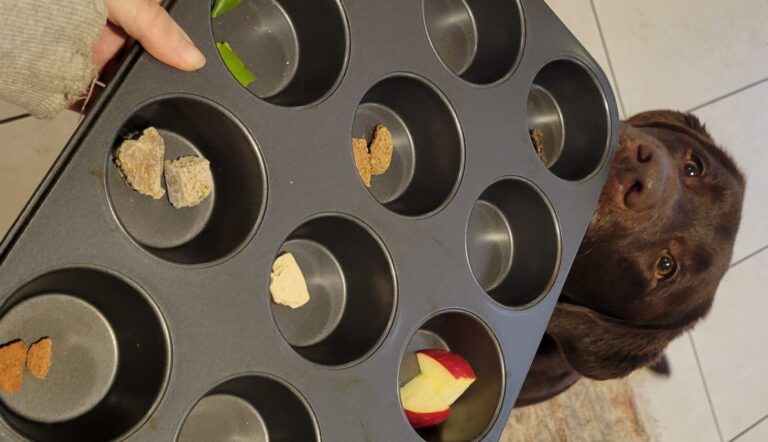
Enrichment is an excellent tool to help pets handle environmental change. For dogs, puzzle feeders, slow-chew treats and scent-based games encourage calm engagement and reduce overstimulation. Teaching simple behaviours like “settle” or “go to bed” before the season starts gives dogs a familiar behaviour to fall back on during busy moments.
For cats, enrichment helps channel energy constructively. Try rotating toys, offering cardboard boxes to explore, or introducing scent play with catnip or silver vine. Vertical spaces are particularly helpful during Christmas gatherings, as cats naturally gravitate towards high vantage points when unsure.
Enrichment doesn’t just keep pets occupied — it helps them feel more in control, which leads to calmer behaviour overall.
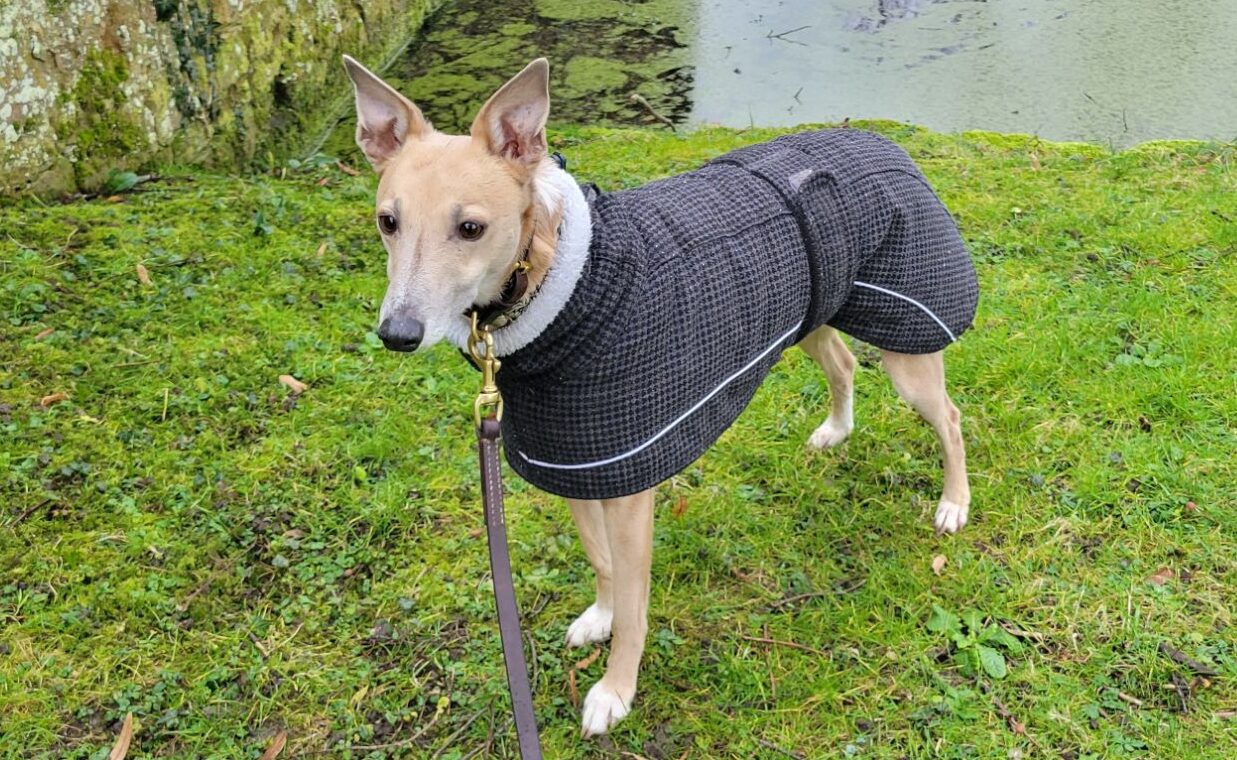
Building Confidence Through Gradual Exposure
The key to supporting animals through Christmas isn’t to eliminate novelty entirely, but to manage it in a way that feels safe and steady. Gradual exposure is one of the most effective techniques.
If your dog reacts to flashing lights, start by introducing subtle lighting changes weeks ahead. If your cat dislikes visitors, begin by having short, predictable interactions with one person before hosting larger groups. If wrapping paper sends your young dog into a frenzy, practise with small amounts in controlled sessions, rewarding calm behaviour.
Little steps taken early help build the resilience pets need to cope with bigger changes later on.
A Calmer, Happier Christmas for All
With thoughtful preparation, Christmas doesn’t have to be stressful for pets. By slowing the pace of change, offering predictable resting areas, supporting their sensory needs and maintaining core routines, you can create a festive environment that feels safe, comfortable and manageable for both cats and dogs.
Everyone in the household — humans and animals alike — benefits when we take the time to consider how the season looks through different eyes. A calmer pet means a smoother, more enjoyable holiday, without the worry of stress-related behaviour or emotional overload.
If you’d like personalised support to help your own pet navigate the festive season with confidence, I’m always here to help with guidance, training and tailored behaviour support. And if you’re preparing for a busy December and would like some extra help with walking, enrichment sessions or drop-in care, feel free to get in touch — your pets can have a calm and happy Christmas too.