Training the Dog in Front of You: A Personalised Approach to Canine Behaviour
In dog training, preconceptions based on breed can lead to misguided expectations and training challenges. Whether we’re expecting calm obedience from a Labrador or unwavering courage from a Dachshund, these stereotypes often fail to capture a dog’s unique personality and needs. This post delves into why “training the dog in front of you”—rather than the idealised version you may have imagined—can be more effective. Backed by research, it also demonstrates how a personalised approach fosters a strong human-animal bond.
Why Breed Preconceptions Can Be Limiting
It’s true that researching a breed can help set broad expectations, but these generalisations should always be taken with a pinch of salt. As observed by Morrill and Karlsson et al. (2022), behaviour traits like howling, barking, or even sociability often show no direct correlation to a dog’s breed. For example, although Labradors show a low genetic propensity for howling, 8% of Labradors in the study’s sample still exhibited this behaviour. This gap illustrates that a dog’s personality can vary widely even within the same breed.
The Kennel Club, which provides temperament descriptions, also plays a role in shaping breed expectations, often emphasising traits like “intelligent,” “loyal,” or “calm.” However, such descriptors frequently overlap between breeds, limiting their usefulness for understanding an individual dog’s needs. According to Packer and O’Neill et al. (2020), these broad descriptions often reflect historical breeding preferences rather than a dog’s contemporary needs and individual quirks. This can leave owners disappointed or struggling to address unexpected behaviours when their dog’s temperament doesn’t align with popular breed stereotypes.
The Genetics Debate: Is Behaviour Inherited or Shaped?
Many people assume that a dog’s behaviour is hard-wired into its genetics, but as Svartberg (2007) highlights, all breeds actually share a similar range of behavioural characteristics in their genetic sequencing. Research increasingly suggests that while genetics may hint at certain traits, they don’t predetermine a dog’s behaviour. The comprehensive study by Morrill and Karlsson et al. (2022) emphasises that “dog breed is generally a poor predictor of individual behaviour and should not be used to inform decisions relating to selection of a pet dog.”
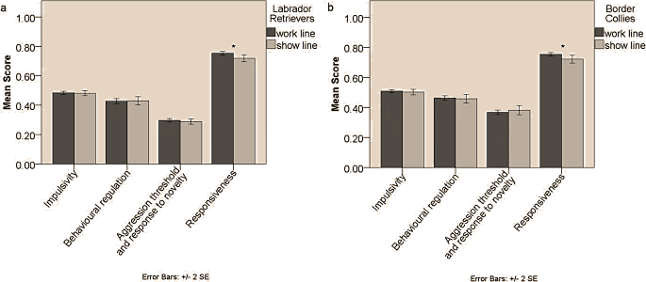
Environmental factors—such as upbringing, training consistency, and socialisation—play far more crucial roles in shaping behaviour. For instance, Turcsán, Miklósi, and Kubinyi (2017) found that both purebred and mixed-breed dogs exhibited similar levels of neuroticism and sociability, challenging the popular belief that purebred dogs are more neurotic than mixed breeds. Dietz and Arnold et al. (2019) further underscored this by showing that early-life experiences significantly influence behaviour. Mixed breeds, often exposed to different environmental factors than purebreds, may receive less formal training or inconsistent socialisation, impacting their temperament more than any genetic predisposition.
Pedigree vs. Mixed Breeds: Myth vs. Reality
There is a longstanding debate about whether purebred or mixed-breed dogs have better temperaments or are easier to train. PETA and other organisations have often argued that mixed-breed dogs are “wonderful” and less prone to nervousness or neuroticism, but research disputes this generalisation. Stephens (2020) highlights that such claims lack a strong scientific foundation. Studies by Turcsán and Miklósi et al. (2017) reveal that mixed breeds may, in fact, be more susceptible to neurotic tendencies. Factors such as early separation from the mother and inconsistent training can also exacerbate such tendencies, especially in mixed breeds which may not receive the same level of early training as purebreds.
Case Studies: Recognising and Training the Individual Dog

Case Study 1: Murphy – A Golden Retriever with Unique Needs
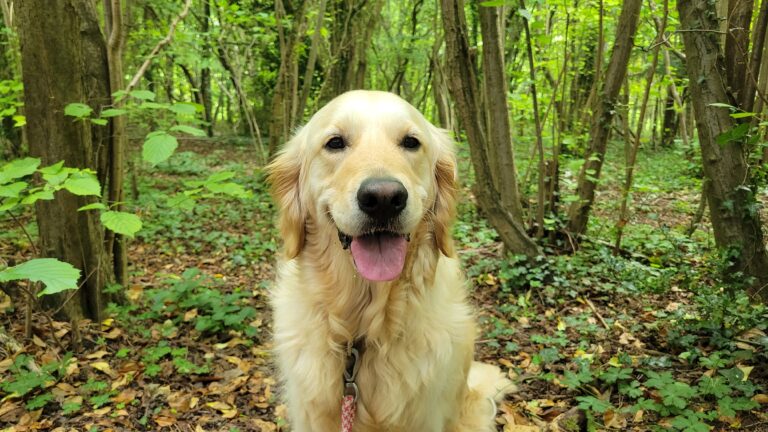
Murphy’s owners were seeking a family-friendly Labrador and connected with a reputable breeder. They ended up adopting Murphy, a Golden Retriever, assuming the behavioural traits would be similar. However, Murphy developed hip issues early on, restricting his physical activities and leading to frustration and boredom. Traditional obedience training failed as Murphy was overly energetic but physically restricted due to his hip problems.
A fresh assessment by a sniffer dog handler provided valuable insight. Murphy, it turned out, thrived on scent work, which fulfilled his sensory-seeking needs and mental energy, aligning well with Golden Retrievers’ historical instincts as hunting dogs. This perspective shift transformed his life. Now training as an airport sniffer dog, Murphy’s needs for mental enrichment and physical accommodation are finally being met, validating the approach of training the dog in front of you rather than assuming behaviours based on breed.

Case Study 2: Jett – A High-Energy, Sight-Oriented Mixed Breed
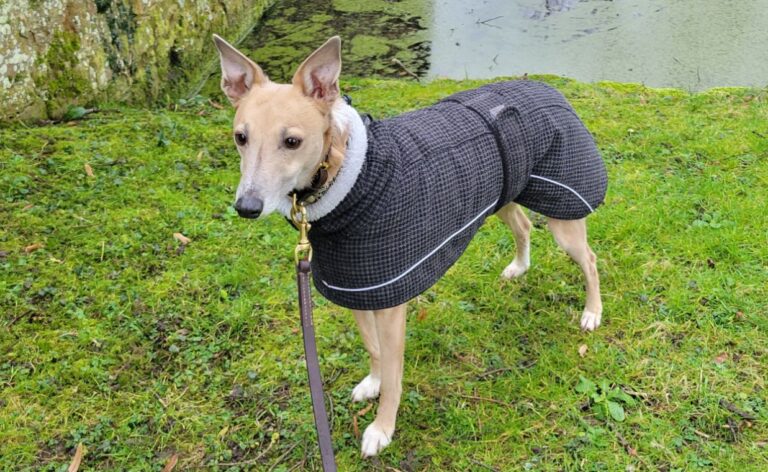
Jett, bought as a purebred Labrador, displayed traits that did not align with a typical Labrador profile. His elongated back and legs suggested a possible mix with a sighthound or Great Dane. Jett exhibited anxiety behaviours, such as excessive pawing for attention and becoming physically clingy. He was unmotivated by standard rewards like treats or praise, making traditional training challenging.
The owners worked with a behaviourist to develop tailored activities that addressed Jett’s natural behaviours. Starting with basic scent training and progressing to scent-tracking exercises in the garden, Jett’s training now channels his energy into activities that engage his natural instincts. Additionally, agility poles, hoop jumping, and scent puzzle balls provide mental stimulation, easing his anxiety. This approach has shown that training based on individual needs, rather than assumptions, fosters greater success and reduces unwanted behaviours.
Key Takeaways: Training with Science, Flexibility, and Compassion
The experiences with Murphy and Jett reveal that a dog’s behavioural needs can’t always be anticipated based on breed. Instead, an approach that combines scientific insight with adaptability can yield the most rewarding results. Here are some key insights:
- Adopt Flexible Training Techniques: Not all dogs respond to the same methods. Behaviourists and trainers like those in the cases above used varied techniques to engage the dogs’ natural instincts, enhancing training effectiveness.
- Rely on Positive Reinforcement: Positive reinforcement is essential for building trust. It encourages learning by reinforcing desirable behaviours without punishing unwanted ones.
- Observe Beyond Assumptions: Watching a dog’s individual responses rather than expecting breed-standard behaviours allows trainers to adapt methods to the dog’s unique personality and needs.
Embrace a Fresh Perspective for Stronger Bonds
Training the dog in front of you is about understanding and respecting their unique personality, regardless of breed-based expectations. With empathy, scientific understanding, and commitment to individualised training, you can foster a more trusting and successful relationship with your dog. Each dog deserves a personalised approach, and by meeting them where they are, we set both them and ourselves up for success.
Final Thoughts
Training isn’t about moulding a dog into a one-size-fits-all ideal. Instead, it’s about understanding who they are and helping them become the best version of themselves. Embrace your dog’s quirks, address challenges with patience, and remember that every dog deserves the respect and patience of personalised training.