Helping Pets Through Firework Season: Keeping Calm, Safe, and Comfortable
As autumn arrives and the evenings grow darker, many of us look forward to the sparkle of fireworks lighting up the sky. But for our pets, this time of year can be one of the most frightening. Firework season in the UK stretches from Halloween through Bonfire Night, right up to New Year’s celebrations — meaning weeks of unpredictable bangs, flashes, and loud crowds.
For dogs, cats, and small mammals alike, the noise and vibrations of fireworks can trigger fear and panic. The good news is there’s plenty you can do to prepare and support them, helping everyone get through the season safely and calmly.
Understanding Why Pets React to Fireworks
Animals experience the world very differently from us — especially when it comes to sound. Humans can typically hear between 20 and 20,000 hertz (Hz), while dogs hear up to around 45,000 Hz and cats can reach an incredible 64,000 Hz. That means they can pick up much higher-pitched frequencies and detect subtle noises we’d never notice.
Then there’s the matter of volume. Sounds are measured in decibels (dB), and the scale isn’t linear — every 10 dB increase roughly doubles the perceived loudness. A typical conversation is around 60 dB, a vacuum cleaner about 70 dB, and fireworks can exceed 150 dB at close range. That’s comparable to standing next to a jet engine.
To put it in perspective: while we might hear fireworks as loud and startling, our pets are hearing a broader range of frequencies at a greater intensity. Combined with the unpredictable flashes and vibrations, it’s easy to see why fireworks can be genuinely terrifying for them.
For prey species like rabbits and guinea pigs, loud noises naturally signal danger; for dogs and cats, the combination of strange smells, booms, and flashes can feel inescapable and threatening. It’s important to remember that fear responses are instinctive and not a sign of bad behaviour. A dog shaking, panting, or hiding isn’t being “difficult” — they’re frightened. Cats may retreat under beds or refuse to eat, while small animals might freeze or injure themselves trying to escape. Recognising these signs and preparing early can make all the difference.
For example, our own dog Jett shows just how complex firework fears can be. Even if we can’t hear any fireworks, he can become anxious at the mere sight of them — perhaps because he’s learned to associate the flashes with the loud sounds that used to frighten him. Over time, this sight–sound connection built up a learned fear, so now the visual alone can trigger stress. To help him, we get his happy hoodie on, which works wonders in providing calming pressure, and snuggle him up in blankets with a favourite chew or Lickimat. Adding some gentle, soothing sounds from the speaker or TV helps mask outside noises, and the combination makes him so much calmer. Little strategies like this can make a big difference, even for pets with strong or learned anxieties.
Start Early: Desensitisation with Low-Level Sounds
One of the most effective ways to help dogs (and sometimes cats) cope with fireworks is through desensitisation — gradually introducing them to the sounds of fireworks in a calm, controlled environment. This process works best well before the season begins, but even starting now can help.
Look for professional sound desensitisation programmes or use reliable recordings of fireworks. Start with the volume extremely low — so low that your pet notices the noise but doesn’t react fearfully. Pair the sounds with something positive, like treats, playtime, or gentle praise. Over days or weeks, slowly increase the volume as your pet remains relaxed.
The goal isn’t to “force” them to face their fears, but to teach their brain that these sounds are nothing to worry about. If your pet shows signs of stress — pacing, trembling, or trying to hide — the sound is too loud. Go back a step and progress more slowly.
Creating Safe, Cosy Spaces
When fireworks are likely, provide your pets with plenty of safe, warm, and quiet spots where they can retreat. For dogs and cats, this might be a covered crate, a quiet corner, or a cosy den made from blankets. Close curtains and windows to help muffle the noise and block out flashes of light.
Cats often feel safest when they can hide up high or in enclosed spaces — think wardrobes, behind furniture, or inside sturdy cardboard boxes lined with blankets. Let them choose where to settle and avoid trying to coax them out; their hiding helps them feel secure.
Small mammals such as rabbits, guinea pigs, and hamsters should be brought indoors if possible. Cover hutches or cages with thick blankets (leaving ventilation) to help reduce noise and light, and give them extra bedding so they can burrow and feel protected.
Comfort Through Pressure and Warmth
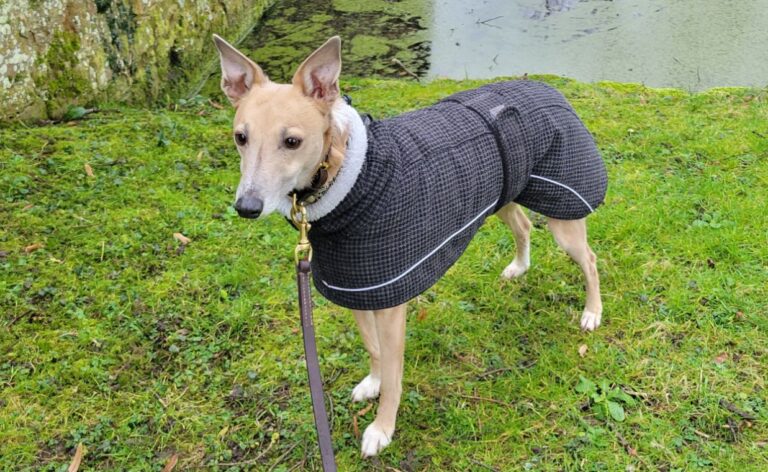
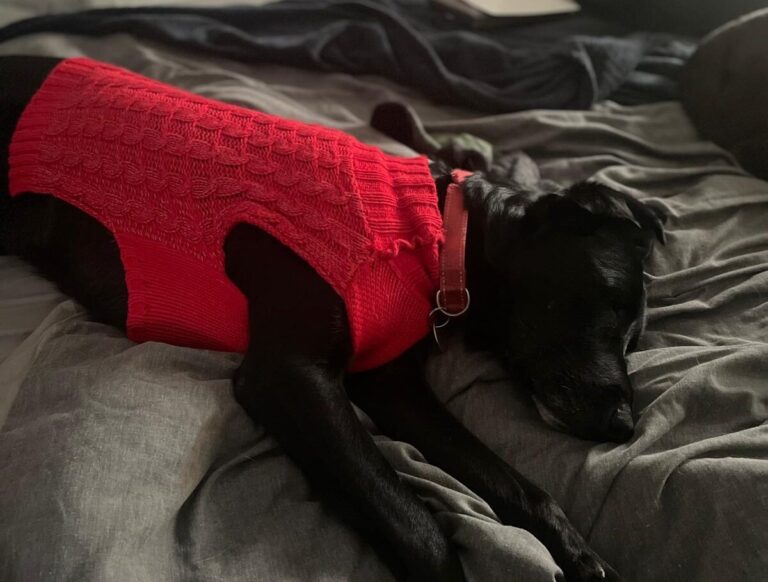
Some pets find gentle pressure soothing. Products like happy hoodies (soft, stretchy bands that cover the ears and provide calming pressure) can help reduce sound intensity and offer a comforting, snug sensation for dogs. For both dogs and cats, snug-fitting jumpers or body wraps can also provide a sense of reassurance — similar to a gentle hug.
Warmth is another important factor, especially for smaller or older animals. Make sure bedding is soft and dry, and rooms are comfortably warm without being overheated. The combination of physical comfort and a sense of safety helps many pets cope better when fireworks are booming outside.
Keep Routines Calm and Predictable
Animals thrive on routine. Try to stick to your normal feeding, play, and rest times as much as possible. Walk dogs earlier in the day, before dusk, when fireworks are less likely to start. Avoid late-night walks or garden trips when bangs are frequent.
For cats with outdoor access, it’s best to keep them indoors during evenings when fireworks are expected. Provide litter trays in quiet, familiar spots, and ensure they have fresh water and enrichment to keep them occupied.
For small pets, handle them as little as possible during noisy periods, as picking them up while they’re frightened can increase their stress.
Safety First: Check Microchips and Secure the Home
Sadly, many pets go missing each year during firework season because they bolt in fear. To reduce this risk, make sure your pet’s microchip details are up to date with your current address and phone number. Check that collars and ID tags are secure and legible.
Before the season starts, take a moment to secure doors, windows, and garden gates. If you have a nervous dog, consider walking them on a harness and lead together for extra security, in case they try to slip free. Even well-trained pets can panic and forget recall cues when frightened.
Helping Them Cope in the Moment
When fireworks begin, keep your own energy calm — animals are incredibly sensitive to our emotions. Close curtains, turn on the television or radio at a moderate volume, and stay with your pets if possible. Some dogs and cats find it reassuring to sit near their owners, while others prefer to hide away. Respect their choice.
Avoid punishing or scolding fearful behaviour. Comforting a frightened pet won’t “reinforce” fear — it provides reassurance and safety. Gentle touch, a calm voice, and quiet companionship can go a long way.
If your pet struggles every year, speak with your vet well before the season begins. They can discuss calming supplements, pheromone diffusers, or even short-term medication for extreme cases. Pairing veterinary support with behavioural work often produces the best results.
Preparing for the Unexpected
Even with preparation, fireworks can still catch us off guard. Keep an emergency kit handy with your pet’s essentials — leads, carrier, treats, vet contact details, and a towel or blanket for comfort.
If you’re planning to go out during the evening, try to ensure someone stays at home with the animals. For pets that cope better with company, having a familiar person nearby can prevent panic and injury.
A Season of Patience and Compassion
Firework season can test even the calmest of pets, but with empathy and preparation, you can make it much easier for them. Remember that every animal is different — what soothes one might not help another — and that patience is key.
Creating a calm, secure environment and building positive associations with noise can help your pets feel safe, not scared. And if you’re struggling, don’t hesitate to reach out for professional guidance. Whether it’s tailored desensitisation plans, behaviour support, or simply advice on setting up your home environment, help is always available.
Fireworks might light up the skies for just a few moments, but with the right care, your pets can stay relaxed, happy, and safe through the whole season.