Nutrition and Behaviour: How Diet Influences Animal Temperament
As a professional in animal behaviour and training, I’ve spent years observing how nutrition profoundly impacts our pets’ wellbeing. The connection between diet and behaviour isn’t just about energy levels – it’s a complex relationship that affects everything from cognitive function to emotional stability. Let’s explore how what goes into your pet’s bowl can transform their behaviour and overall quality of life.
Dogs: Understanding Their Nutritional Needs
The pet food industry often prioritises marketing trends over scientific evidence, and nowhere is this more apparent than in the recent grain-free movement. While grain-free diets became incredibly popular, current research shows that completely eliminating grains isn’t just unnecessary – it might actually be counterproductive for most dogs. Quality grains in appropriate amounts can provide valuable nutrients and fibre that contribute to gut health and overall wellbeing.
The pet food industry often prioritises marketing trends over scientific evidence, and nowhere is this more apparent than in the recent grain-free movement. While grain-free diets became incredibly popular, current research shows that completely eliminating grains isn’t just unnecessary – it might actually be counterproductive for most dogs. Quality grains in appropriate amounts can provide valuable nutrients and fibre that contribute to gut health and overall wellbeing.
Decoding Dog (and other pet) Food Labels
Standing in the pet shop aisle can feel overwhelming with the vast array of options and complex terminology on packaging. Let’s demystify some common terms you’ll encounter:
“Meat meal” often gets a bad reputation, but it’s actually a concentrated form of protein where water content is reduced, offering more protein per gram than fresh meat. Think of it like a protein powder – concentrated nutrition rather than inferior quality.
“Animal derivatives” is a term that should raise eyebrows. This typically refers to slaughterhouse by-products, which might contain minimal actual meat content. The lack of specificity about which animals these derivatives come from should make us cautious.
Keep an eye out for sneaky labeling tricks! For example, xylitol, a sweetener that’s toxic to pets, can sometimes be listed under less obvious names like “silver birch” on ingredient lists. Another one to watch is sorbitol, often found in dog treats. It’s a synthetic sweetener used to add flavor, but it’s completely unnecessary in pet treats and can cause a range of health issues for your dog. When manufacturers hide ingredients like this, it doesn’t exactly build trust in their commitment to your pet’s health.
Also, don’t be fooled by dog foods that look super meaty. That rich, dark color? It’s often from artificial dyes or caramel coloring designed to make the food look more appealing to you, the pet owner—not your dog! These colors suggest there’s more meat in the food than there actually is. It’s just another example of how some brands focus more on appearances than on real nutrition.
The Ideal Canine Diet
A well-balanced dog diet should focus on high-quality protein while ensuring the right mix of other nutrients. Ideally, your dog’s food should contain 50-70% high-quality protein, with the rest made up of digestible carbohydrates (around 10-30%) and a thoughtful blend of vegetables, beneficial oils, and fats at about 20-40%.
Unfortunately, many commercial dog foods miss this mark. Some are heavy on cheap fillers like corn, wheat, or soy, with low actual meat content and unnecessary additives like artificial colors and sweeteners. These formulas might look or smell appealing but often fall short in providing true nutritional value.
This balance supports not just physical health but also cognitive function and emotional stability. When dogs receive appropriate nutrition, they’re better equipped to learn, respond to training, and maintain consistent energy levels throughout the day.
Popular Foods Under the Microscope
Let’s examine some common dry kibble dog foods to understand what we’re really feeding our pets. This analysis goes beyond marketing claims to look at actual nutritional content and value for money.
Hill’s Science Plan (approximately £0.93 per day) is often recommended by veterinarians, but let’s look deeper. The lack of transparency in ingredient percentages is concerning, particularly when wheat appears as the second ingredient. Given wheat’s potential for causing intolerances and its high gluten content, this positioning is problematic. Analysis suggests the total grain content could reach a staggering 99.2% – far from ideal for our carnivorous companions.
Ava Medium Breed Adult (£0.93 per day) offers better nutritional balance, with 54.3% carbohydrates and 33.3% protein content. While still not perfect, it represents a significant improvement in terms of protein content and overall balance. The transparency in labelling also allows pet parents to make more informed decisions.
Gentle Dog Food (£1.04 per day) is a standout for several reasons. This cold-pressed kibble retains more nutrients due to its gentle processing methods. With 38.7% meat, 29.2% carbohydrates, and 32% vegetables/oils/fats, it offers a much better nutritional balance than many standard kibbles, edging closer to optimal canine nutrition. Plus, their transparent labelling shows real confidence in their ingredients and formulation. Even though it’s imported from Germany, it offers excellent value for its quality.
Scrumbles Adult and Senior (£1.15 per day) gets even closer to the ideal with 48.6% meat content and 39.3% carbohydrates. While it’s a bit pricier, you’re paying for better-quality ingredients and a superior nutritional balance. It’s a brilliant option that’s easily available at most Pets at Home stores, making it both convenient and nutritious!
Cats: The Sophisticated Carnivores
Our feline friends have evolved as obligate carnivores, meaning their nutritional needs are distinctly different from dogs. This evolutionary background demands careful attention to their dietary requirements, particularly regarding protein content and specific nutrients.
The Protein Imperative
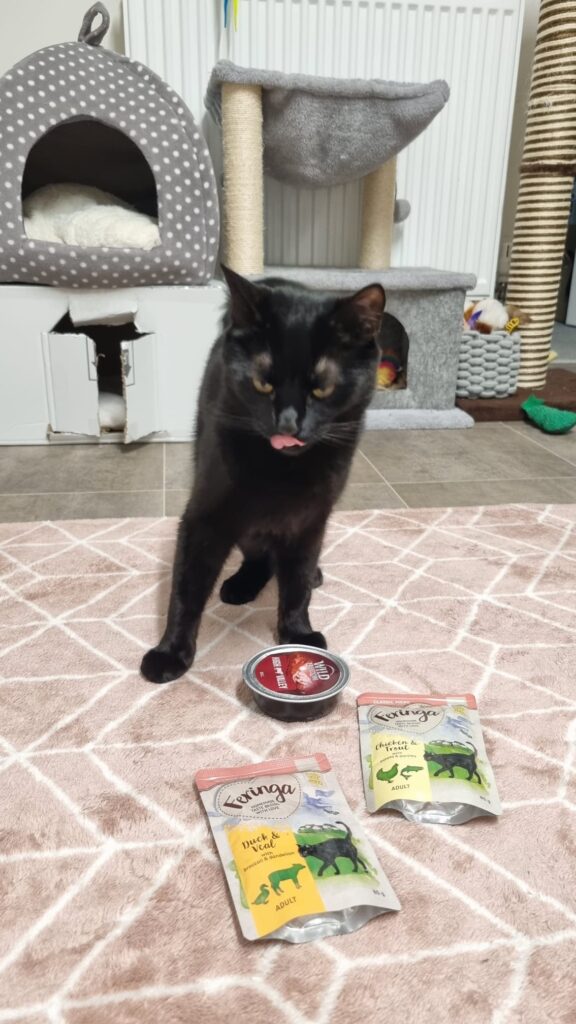
Cats require 60-80% (ideally 90-100%) pure protein in their diet – a significantly higher proportion than dogs. This isn’t just about maintaining muscle mass; protein plays crucial roles in everything from immune function to coat health. However, not all proteins are created equal. Cats need high-quality animal proteins that provide all essential amino acids in the right proportions.
The limited ability of cats to process vegetables and grains stems from their evolutionary development as strict carnivores. Their digestive systems simply aren’t designed to extract significant nutrition from plant matter, making high-quality animal protein sources absolutely essential.
Debunking the Vegetation Myth
A common misconception suggests that cats need vegetables in their diet because they consume plant matter in the wild. This misunderstanding stems from observing wild cats eating prey animals whole, including stomach contents. However, what’s actually happening is quite different – when wild cats consume prey, they’re getting pre-digested plant matter from their prey’s stomach, complete with the necessary digestive enzymes. This pre-digested material is vastly different from raw vegetables or grains in commercial pet food.
Hydration and Taurine: Critical Components
Taurine requirements in cats represent a perfect example of their unique nutritional needs. Unlike many mammals, cats can’t synthesise sufficient taurine, making dietary sources essential. Taurine deficiency can lead to serious health issues, including heart problems and vision deterioration.
The relationship between cats and water is equally complex. Evolved from desert-dwelling ancestors, cats naturally obtain about 90% of their water from food. Their limited thirst response mechanism means they often don’t drink enough water when fed solely dry food, despite having naturally poor kidney function. This makes proper hydration through food crucial for long-term health.
Dental Health: Beyond the Marketing Claims
The persistent myth that dry food maintains dental health needs addressing. Commercial pet food marketing often suggests that kibble helps clean teeth, but the reality is quite different. Most pets simply don’t chew dry food long enough or thoroughly enough to create any meaningful cleaning action.
Instead of relying on kibble for dental health, consider these more effective approaches:
For dogs, natural chews (always supervised) provide both dental benefits and mental stimulation. The extended chewing time actually helps remove plaque and exercises the jaw muscles. For cats, smaller, appropriate chews like dehydrated chicken jerky pieces or other natural options like liquorice root or silver vine can provide similar benefits while appealing to their natural behaviours.
However, the gold standard for dental care remains regular tooth brushing with enzymatic toothpaste (my favourite can be found in my liked products page). Even managing this once a week makes a significant difference. Don’t worry if you can’t achieve a full brushing – even wiping enzymatic toothpaste across their teeth helps, as these specialised formulations are designed to break down plaque enzymatically.

Small Pets: The Often Misunderstood
Rabbits and Guinea Pigs: A Brief Nutritional Overview
These delightful creatures have evolved with highly specialised digestive systems that require specific nutritional consideration. Contrary to popular belief, lettuce isn’t a beneficial food for rabbits – it’s mostly water with minimal nutritional value, and some varieties can even be harmful.
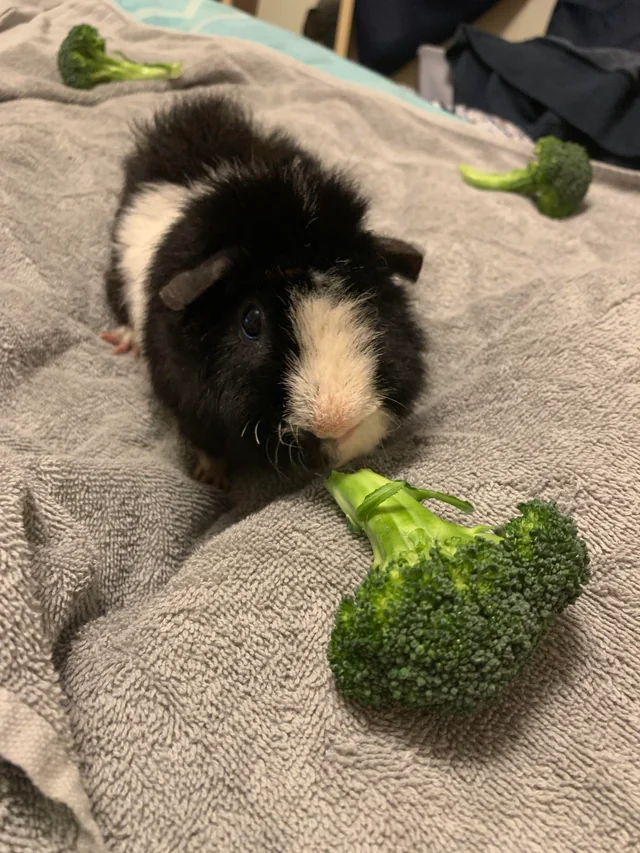
Vitamin C stands as a critical nutrient, particularly for guinea pigs who, like humans, cannot synthesise their own. While many people reach for oranges as a vitamin C source, broccoli actually provides superior nutrition. Serving these vegetables in thumb-sized pieces scattered throughout their environment serves two purposes: meeting nutritional needs while encouraging natural foraging behaviour.
The issue with traditional muesli-style foods deserves special attention. These colourful mixes might look appealing to us, but they can lead to serious nutritional imbalances. Different coloured pieces often contain different nutrients – for instance, green flakes might contain vitamin C while red pieces provide vitamin A. When animals selectively eat based on texture or colour preferences, they miss out on essential nutrients.
Uniform kibble, while perhaps less visually exciting, ensures balanced nutrition in every bite. This doesn’t mean removing choice entirely – animals can still select between slightly different sized pieces, maintaining some autonomy while ensuring proper nutrition.
Life Stages and Nutritional Needs
It’s important to acknowledge that nutritional requirements vary significantly throughout an animal’s life. While the basic principles of species-appropriate nutrition remain constant (such as the carbohydrate rules we’ve discussed), other nutritional elements need adjustment based on life stage.
Juveniles typically require higher protein levels to support growth and development, along with carefully balanced calcium and phosphorus ratios for proper bone development. Senior pets often need modified fat content and specific nutrient profiles to support joint health and cognitive function.
Rather than detailing specific requirements here, which can vary significantly between breeds and individual animals, I encourage you to reach out directly for tailored advice about your pet’s life-stage nutritional needs.
Exercise and Nutrition: A Critical Partnership
The relationship between exercise and nutrition works both ways – proper nutrition supports effective exercise, while exercise influences nutritional needs. Active dogs may require increased protein and calories, but simply increasing food quantity isn’t always the answer. The quality and timing of nutrition matter just as much as quantity.
Working dogs, sport dogs, or highly active pets may need nutritional adjustments to support their energy requirements and muscle recovery. However, these adjustments should be made thoughtfully to maintain the proper balance of nutrients.
The Truth About Supplements and Toppers
Recent years have seen an explosion in pet food supplements and toppers, marketed as ways to enhance your pet’s diet and health. While these products often come with compelling claims and attractive packaging, let’s examine their actual necessity.
For pets in good general health consuming a properly balanced diet, additional supplements often provide no real benefit. A well-formulated, nutritionally complete diet already contains optimal levels of necessary nutrients. Adding supplements to such a diet is rather like fitting a car with extra fuel tanks when the existing one works perfectly well.
The scientific community continues to debate the effectiveness of supplements, both for humans and animals. Questions remain about how bodies absorb vitamins and minerals from synthetic supplements, and whether many of these nutrients simply pass through the system unused. Natural food sources often provide nutrients alongside cofactors that aid absorption – something synthetic supplements typically lack.
That said, supplements do have their place in specific circumstances: during recovery from illness or surgery, for animals with diagnosed deficiencies or absorption issues, or for seniors with special requirements. These situations should be managed under veterinary guidance rather than through self-prescription.
How Poor Nutrition Affects Behaviour
The impact of nutrition on behaviour represents one of the most fascinating aspects of pet care. Poor nutrition can manifest in behavioural changes that might not immediately be connected to diet.
Physical discomfort from dietary issues often presents as behavioural problems. For instance, stomach pain can cause irritability or even aggression. Food intolerances might manifest as anxiety-like behaviours, while digestive issues could lead to resource guarding. These connections aren’t always obvious but can significantly impact your pet’s quality of life.
Energy levels and mood stability depend heavily on proper nutrition. Poor diet often results in lethargy or irregular energy levels, which can cause behavioural inconsistencies that make training difficult. Proper nutrition supports steady, sustainable energy levels, leading to more consistent behaviour and better training outcomes.
Cognitive function relies heavily on proper nutrition. Essential fatty acids support brain health, while adequate protein ensures proper neurotransmitter function. Poor diet can affect memory and learning ability, making training more challenging and potentially affecting your pet’s ability to process and respond to their environment.
Long-term nutritional deficiencies can lead to lasting behavioural changes. A well-balanced diet supports immune system function, which in turn affects overall wellbeing and behaviour. Pets receiving proper nutrition typically show more consistent temperament and require fewer veterinary interventions.
Transitioning to Better Nutrition: Understanding the Challenge
Making the switch to higher quality pet food can be more challenging than you might expect. Much like humans trying to transition from a diet of fast food to home-cooked meals, our pets can become accustomed to – and even somewhat addicted to – lower quality foods. This isn’t surprising when you consider that many commercial pet foods contain excess sugars and fillers that can make them highly palatable, similar to how processed human foods are engineered to be incredibly appealing.
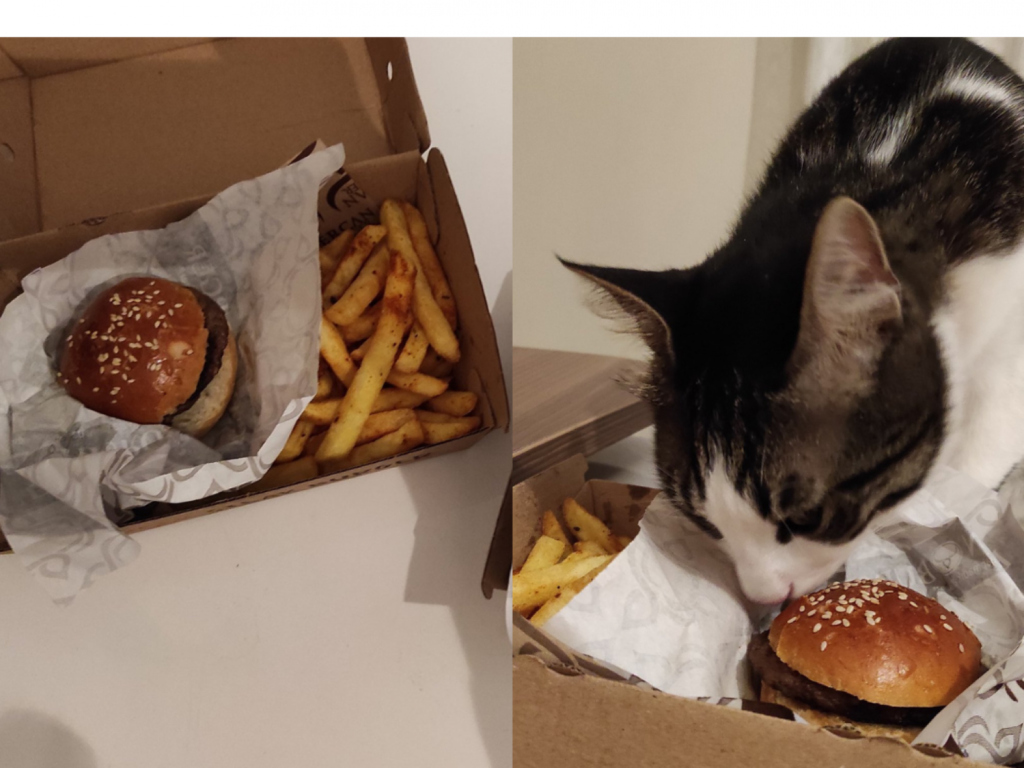
The challenge often lies in the fact that lower quality pet foods frequently contain ingredients that trigger pleasure responses without providing proper nutrition – rather like comparing a burger and chips to a balanced, nutritious meal. Your pet might initially seem less enthusiastic about their new, healthier food because it doesn’t contain these addictive elements.
However, don’t let this deter you from making the switch. The long-term benefits far outweigh the temporary challenge of transition:
- Improved overall health
- Better energy levels
- Reduced risk of diet-related health issues
- Potentially lower veterinary bills in the future
- Better dental health
- Improved coat condition
- More stable behaviour
The key is to make the transition gradually. This might mean taking several weeks to completely switch foods, slowly increasing the ratio of new food to old. Your patience during this process will be rewarded with a healthier, happier pet and potentially significant savings on future veterinary care.
Making the Right Choices
Remember that the format of your pet’s food – whether wet, dry, raw, or home-cooked – matters less than its nutritional content. Each pet (and owner) is unique, and what works brilliantly for one might not suit another. The key lies in ensuring that whatever feeding method you choose meets your pet’s specific nutritional requirements.
The good news is that providing excellent nutrition doesn’t have to break the bank. Today’s market offers numerous options at various price points, and I’m happy to help you find budget-friendly options that don’t compromise on quality – just reach out for guidance.
Need More Help?
Nutrition can seem overwhelming, but you don’t have to navigate it alone. Whether you’re dealing with specific behavioural issues, looking to optimise your pet’s diet, or seeking budget-friendly options for quality nutrition, I’m here to help. I’m committed to providing scientifically-backed suggestions tailored to you and your pet’s specific needs.
Remember: While this guide provides general advice, always consult with your veterinarian before making significant changes to your pet’s diet, especially if they have existing health conditions or specific dietary requirements.
Your pet’s nutrition is one of the most fundamental ways we can support their health and happiness. Stay curious, ask questions, and don’t hesitate to reach out for personalised guidance!

Resources